Are there any cultural customs around food that families should know when dining out?
Similar Topics
cultural customs food
dining etiquette
family-style meals
Mediterranean dining
Middle Eastern food customs
Asian mealtime traditions
Japanese dining etiquette
Ethiopian food practices
sharing food cultures
travel dining experiences
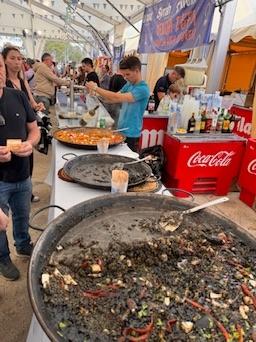
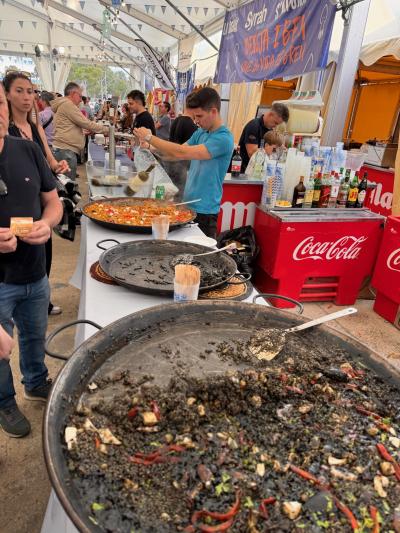
When dining out, families should be aware that cultural customs around food can vary greatly depending on the region or country you are visiting. In many cultures, the act of sharing food is a significant part of the dining experience. For example, in Mediterranean and Middle Eastern countries, meals are often served family-style, encouraging diners to share dishes and enjoy a communal atmosphere. This practice not only fosters a sense of togetherness but also allows everyone to sample a variety of flavors. If you're in such a setting, don't hesitate to reach out and try different dishes; it’s a way to engage with the local culture.
Another important aspect to consider is the etiquette surrounding mealtime. In many Asian cultures, for instance, it is customary to wait for the eldest person at the table to begin eating before the others do. This shows respect and acknowledges their role in the family or group. Additionally, when dining in Japan, it is polite to say "Itadakimasu" before starting your meal and "Gochisousama deshita" after finishing, expressing gratitude for the food. Understanding these simple phrases and practices can enhance your dining experience and endear you to your hosts.
Moreover, some cultures have specific customs related to food preparation and consumption that are worth noting. In Ethiopia, for instance, meals are traditionally eaten with the right hand, and injera, a sourdough flatbread, often serves as both a plate and a utensil. Embracing these unique dining practices not only enriches your travel experience but also demonstrates respect for the local traditions. Overall, taking a moment to learn about and appreciate the cultural customs surrounding food can lead to memorable meals and deeper connections with the community you are visiting.
Another important aspect to consider is the etiquette surrounding mealtime. In many Asian cultures, for instance, it is customary to wait for the eldest person at the table to begin eating before the others do. This shows respect and acknowledges their role in the family or group. Additionally, when dining in Japan, it is polite to say "Itadakimasu" before starting your meal and "Gochisousama deshita" after finishing, expressing gratitude for the food. Understanding these simple phrases and practices can enhance your dining experience and endear you to your hosts.
Moreover, some cultures have specific customs related to food preparation and consumption that are worth noting. In Ethiopia, for instance, meals are traditionally eaten with the right hand, and injera, a sourdough flatbread, often serves as both a plate and a utensil. Embracing these unique dining practices not only enriches your travel experience but also demonstrates respect for the local traditions. Overall, taking a moment to learn about and appreciate the cultural customs surrounding food can lead to memorable meals and deeper connections with the community you are visiting.
Alcanada
More Fotos