Are there specific buildings in Palma that showcase influences from the Reconquista?
Similar Topics
Palma architecture
Reconquista influences
Cathedral of Santa Maria
La Seu
Almudaina Palace
Gothic architecture
Mudéjar style
Mallorca history
cultural influences
historic buildings
Palma, the capital of Mallorca, is a treasure trove of historical architecture, and several buildings in the city reflect the rich influences of the Reconquista, a period marked by the Christian reclamation of the Iberian Peninsula from Muslim rule. One of the most notable examples is the stunning Cathedral of Santa Maria of Palma, commonly known as La Seu. This magnificent Gothic structure, which was built on the site of a former mosque, showcases elements that were added during the Reconquista, particularly its impressive rose window and the beautifully detailed façade. As you wander through the cathedral's interior, you can appreciate how its design symbolizes the merging of different cultural influences over centuries.
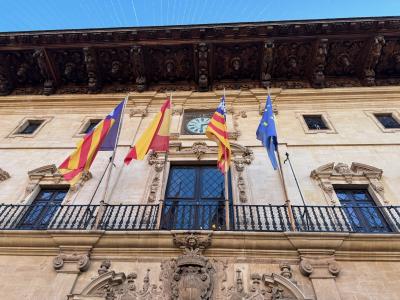
Another key landmark that embodies the spirit of the Reconquista is the Almudaina Palace, which was originally an Arab fortress before being transformed into a royal palace for the Christian kings of Mallorca. The blending of Arabic and Gothic architectural styles is apparent in the palace’s arches and decorative elements, offering a glimpse into the island's layered history. The palace's position overlooking the harbor also emphasizes its strategic importance during the Reconquista, serving as a reminder of the power struggles that shaped the region.
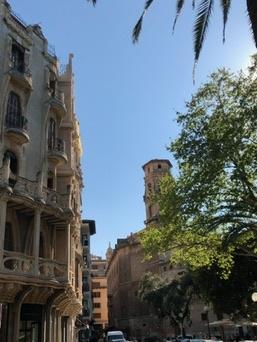
Additionally, the narrow streets of the old town are filled with buildings that reflect the period's architectural transitions. Look for the charming mix of Gothic and Mudéjar styles in the local houses and churches, which often feature intricate tile work and elaborate woodwork. These structures not only tell the story of Palma's past but also invite visitors to explore the cultural dialogues that occurred during and after the Reconquista. Taking the time to stroll through these historic areas will deepen your appreciation for the rich tapestry of influences that define Palma today.
Another key landmark that embodies the spirit of the Reconquista is the Almudaina Palace, which was originally an Arab fortress before being transformed into a royal palace for the Christian kings of Mallorca. The blending of Arabic and Gothic architectural styles is apparent in the palace’s arches and decorative elements, offering a glimpse into the island's layered history. The palace's position overlooking the harbor also emphasizes its strategic importance during the Reconquista, serving as a reminder of the power struggles that shaped the region.
Additionally, the narrow streets of the old town are filled with buildings that reflect the period's architectural transitions. Look for the charming mix of Gothic and Mudéjar styles in the local houses and churches, which often feature intricate tile work and elaborate woodwork. These structures not only tell the story of Palma's past but also invite visitors to explore the cultural dialogues that occurred during and after the Reconquista. Taking the time to stroll through these historic areas will deepen your appreciation for the rich tapestry of influences that define Palma today.
Palma
More Fotos