How do parking regulations differ between Palma and smaller towns like Soller or Pollenca?
Similar Topics
parking regulations
palma parking
soller parking
pollenca parking
tramuntana parking
urban parking mallorca
rural parking
beach parking
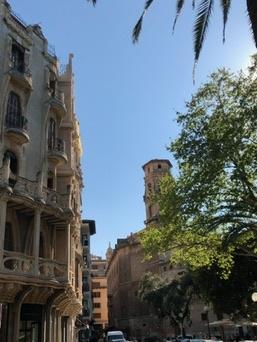
Navigating parking in Palma requires a different approach than in smaller towns like Soller or Pollenca. In the island’s capital, space is at a premium and parking is tightly controlled with meters, time limits, and resident permit zones, especially around historic districts near La Seu Cathedral or the Passeig del Born. Traffic wardens are vigilant, and fines can quickly accumulate if you ignore signs or overstay time limits. Using public garages or park-and-ride facilities on the edge of the city is often the smoothest solution to avoid the stress of hunting for street parking.
By contrast, towns like Soller or Pollenca have a more relaxed atmosphere but still impose specific parking rules, especially during peak tourist seasons or local festivals such as Nit de Foc in Pollenca. You'll find that free or inexpensive parking exists around town squares or just outside the narrow centers, but some streets may be restricted to residents only. Beaches like Cala Llombards or Formentor have designated parking areas, sometimes far from the shore, so be prepared to walk or take a shuttle service.
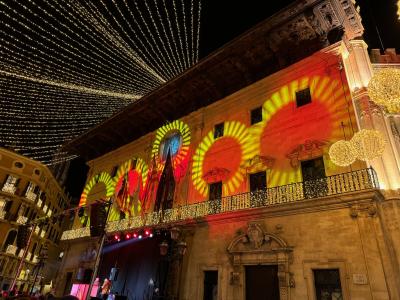
Rural roads in the Serra de Tramuntana or along routes like the Ma-10 and Ma-13 afford more informal parking, though careful attention is required near protected natural areas like Parc Natural de Mondragó. During events such as Sant Sebastià in Palma, parking controls tighten further throughout the city to manage crowds. Overall, the key is to adapt your parking strategy according to where you are: urban drives demand planning and a willingness to use paid facilities, while smaller towns and rural spots offer easier, if occasionally event-mandated, access to roadside or public lots.
By contrast, towns like Soller or Pollenca have a more relaxed atmosphere but still impose specific parking rules, especially during peak tourist seasons or local festivals such as Nit de Foc in Pollenca. You'll find that free or inexpensive parking exists around town squares or just outside the narrow centers, but some streets may be restricted to residents only. Beaches like Cala Llombards or Formentor have designated parking areas, sometimes far from the shore, so be prepared to walk or take a shuttle service.
Rural roads in the Serra de Tramuntana or along routes like the Ma-10 and Ma-13 afford more informal parking, though careful attention is required near protected natural areas like Parc Natural de Mondragó. During events such as Sant Sebastià in Palma, parking controls tighten further throughout the city to manage crowds. Overall, the key is to adapt your parking strategy according to where you are: urban drives demand planning and a willingness to use paid facilities, while smaller towns and rural spots offer easier, if occasionally event-mandated, access to roadside or public lots.

More Fotos