How did the architecture in Mallorca change during and after the Franco dictatorship?
Similar Topics
Mallorca architecture
Franco dictatorship
historical buildings
neoclassical style
tourism influence
modern architecture
sustainable development
Gothic cathedral Palma
traditional Mallorcan architecture
cultural evolution
During the Franco dictatorship, which lasted from 1939 to 1975, Mallorca experienced significant changes in its architectural landscape, reflecting broader national trends and the regime's ideological aims. Initially, the period saw a shift towards more conservative and traditional styles, with an emphasis on nationalism that often manifested in the restoration of historical buildings and the promotion of local architectural elements. The regime favored the construction of monumental structures that embodied the ideals of a unified Spain, leading to the rise of neoclassical and pseudo-historic styles. This was particularly evident in public buildings, which often incorporated local materials and traditional designs to create a sense of regional identity.
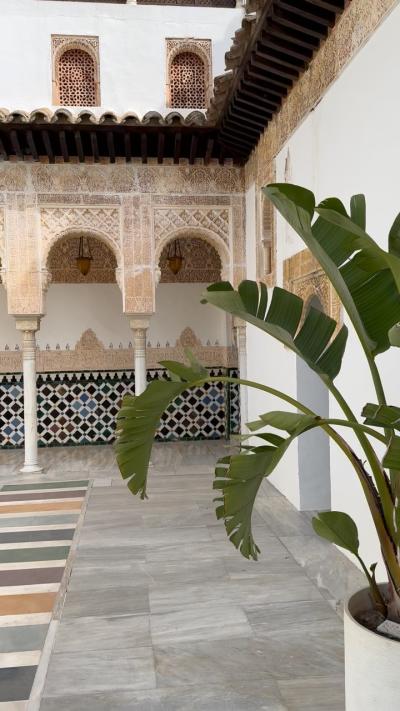
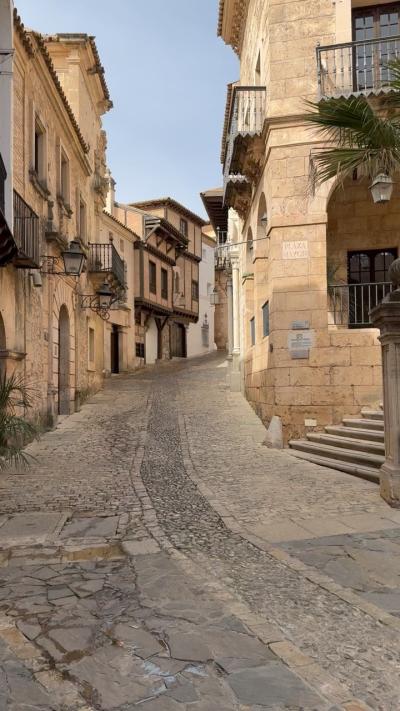
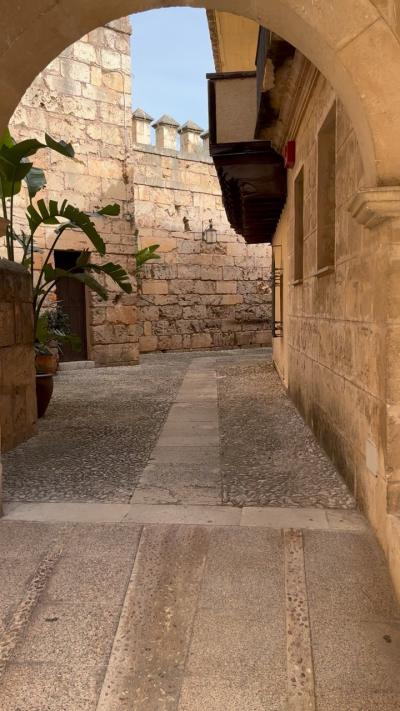
After Franco's death in 1975, Mallorca entered a new phase of architectural development marked by greater openness and modernization. The island saw a surge in tourism, which significantly influenced architectural trends. The focus shifted toward contemporary designs that catered to the increasing number of visitors, resulting in a mix of modern structures alongside preserved historical sites. This era also encouraged a more sustainable approach to development, with architects increasingly considering the environment and local culture in their designs. As a result, you can now find a fascinating blend of traditional Mallorcan architecture, characterized by stone facades and rustic charm, alongside sleek, innovative buildings that reflect the island's evolving identity.
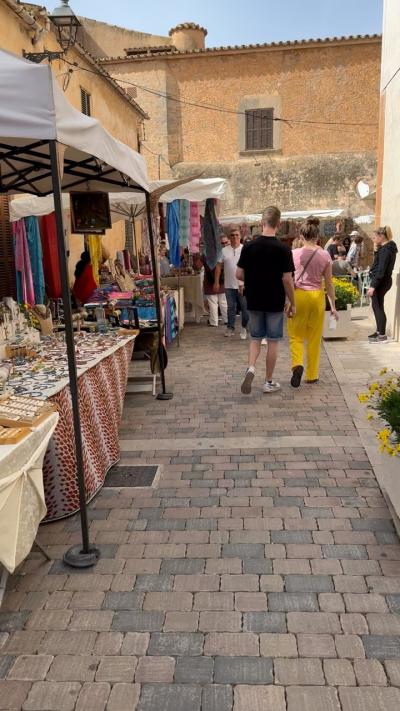
Today, strolling through Mallorca, you can appreciate this architectural dialogue between past and present. The preservation of historic sites, such as the imposing Gothic cathedral in Palma, stands in contrast to modern developments that embrace clean lines and contemporary aesthetics. This harmonious coexistence not only enhances the island’s beauty but also tells the story of its resilience and adaptability over the decades. Whether you are visiting quaint villages with their charming stone houses or exploring bustling urban areas with stylish new constructions, Mallorca's architecture offers a captivating glimpse into its complex history and cultural evolution.
After Franco's death in 1975, Mallorca entered a new phase of architectural development marked by greater openness and modernization. The island saw a surge in tourism, which significantly influenced architectural trends. The focus shifted toward contemporary designs that catered to the increasing number of visitors, resulting in a mix of modern structures alongside preserved historical sites. This era also encouraged a more sustainable approach to development, with architects increasingly considering the environment and local culture in their designs. As a result, you can now find a fascinating blend of traditional Mallorcan architecture, characterized by stone facades and rustic charm, alongside sleek, innovative buildings that reflect the island's evolving identity.
Today, strolling through Mallorca, you can appreciate this architectural dialogue between past and present. The preservation of historic sites, such as the imposing Gothic cathedral in Palma, stands in contrast to modern developments that embrace clean lines and contemporary aesthetics. This harmonious coexistence not only enhances the island’s beauty but also tells the story of its resilience and adaptability over the decades. Whether you are visiting quaint villages with their charming stone houses or exploring bustling urban areas with stylish new constructions, Mallorca's architecture offers a captivating glimpse into its complex history and cultural evolution.
More Fotos
Related Questions
Related Question
Are there guided tours available at Palma's museums during the winter months?
Related Question
What kinds of wildlife or plants might I encounter while hiking in the Serra de Tramuntana?
Related Question
What are some traditional drinks and snacks I should try while visiting Mallorca?