What architectural styles will I see at Mallorca's historic landmarks?
Similar Topics
mallorca architecture
la seu cathedral
serra de tramuntana
alcudia walls
gothic buildings
baroque palaces
traditional farmhouses
watchtowers
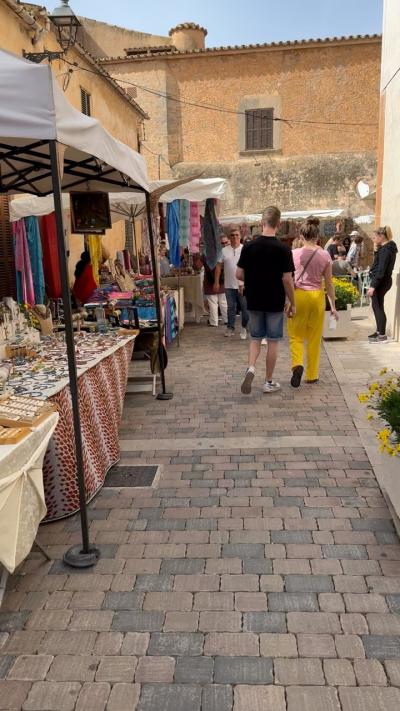
Strolling through towns like Valldemossa or Sóller, you might first notice the sturdy stone walls and simple wooden shutters of traditional Mallorcan architecture, which echo the island's rural heritage. At historic sites such as the fortified town of Alcúdia, the medieval walls reflect Romanesque features with their rounded arches and robust, fortress-like construction. This sense of permanence contrasts beautifully with the delicate Gothic arches and ribbed vaults visible in Palma’s magnificent La Seu cathedral, where soaring stained glass windows transform sunlight into a kaleidoscope of color inside the sacred space.
Away from the grand cathedrals, rural estates and old farmhouses nestled in the Serra de Tramuntana often display the island’s vernacular style: whitewashed façades, terracotta roofs, and shaded courtyards where you might enjoy a break over pa amb oli. The influence of later periods is evident in Palma’s historic center, where Baroque palaces boast ornately carved stonework and wrought-iron balconies. Even in smaller towns like Pollença or Deià, local churches combine Gothic and Renaissance elements, linking the island’s architecture to wider Mediterranean trends while maintaining a distinct regional character.
In coastal areas such as Cala Llombards or Formentor, you might spot old watchtowers built during the 16th century to guard against pirates, marked by their squat, circular forms and narrow windows. These are reminders of Mallorca’s strategic importance over centuries. Beyond the architectural styles themselves, it’s the way these buildings engage with light, landscape, and tradition that truly tells the story of the island’s cultural past. Every arch and stone seems chosen to withstand time, weather, and shifting political tides, inviting visitors to trace the craftsmanship of generations who built here.
Away from the grand cathedrals, rural estates and old farmhouses nestled in the Serra de Tramuntana often display the island’s vernacular style: whitewashed façades, terracotta roofs, and shaded courtyards where you might enjoy a break over pa amb oli. The influence of later periods is evident in Palma’s historic center, where Baroque palaces boast ornately carved stonework and wrought-iron balconies. Even in smaller towns like Pollença or Deià, local churches combine Gothic and Renaissance elements, linking the island’s architecture to wider Mediterranean trends while maintaining a distinct regional character.
In coastal areas such as Cala Llombards or Formentor, you might spot old watchtowers built during the 16th century to guard against pirates, marked by their squat, circular forms and narrow windows. These are reminders of Mallorca’s strategic importance over centuries. Beyond the architectural styles themselves, it’s the way these buildings engage with light, landscape, and tradition that truly tells the story of the island’s cultural past. Every arch and stone seems chosen to withstand time, weather, and shifting political tides, inviting visitors to trace the craftsmanship of generations who built here.

More Fotos



Related Questions
Related Question
What is the best time of day to hike for views of Dragonera?
Related Question
How can I reach the Castell de Bellver from Palma's main bus station using public transport?
Related Question
Where can I find specialized mountain biking shops in Mallorca for gear and local trail advice?