What is the best time of year to hike the Serra de Tramuntana mountains?
Similar Topics
serra de tramuntana
trails mallorca
spring hiking mallorca
autumn hiking
summer hikes
tramuntana weather
tib bus tramuntana
sollér railway
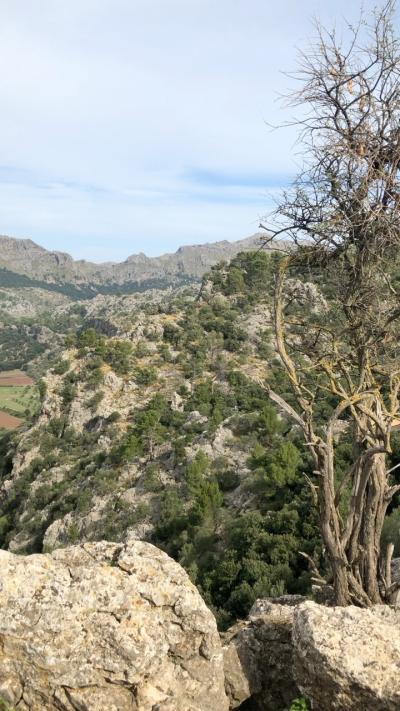
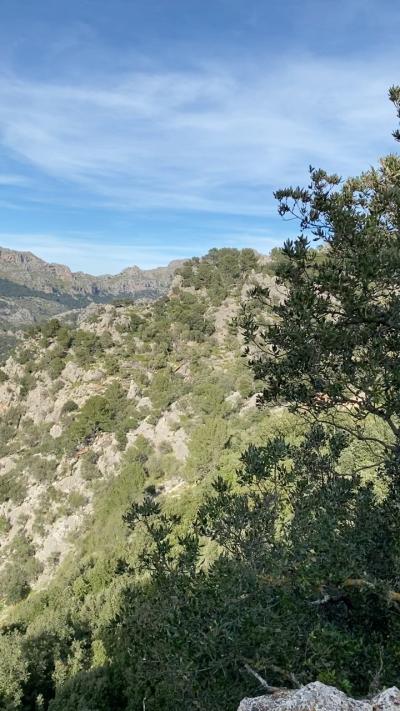
If you’re planning to explore the Serra de Tramuntana on foot, timing your visit can make all the difference. The best months tend to be spring and autumn, when the temperatures are pleasantly cool and the landscape bursts into life — almond blossoms in February and March, and the golden hues of olive groves from late September onwards. Daytime highs usually sit comfortably in the mid-60s to low 70s Fahrenheit, ideal for tackling longer trails without tiring quickly. Early morning starts are advisable, especially on brighter days, to avoid both crowds and midday sun.
Summer brings warmer weather, often rising into the 80s, particularly in lower valleys like Sóller or around coastal towns such as Pollença and Alcúdia. Although it can be hot, early mornings and shaded forest paths remain quite walkable, but be sure to carry plenty of water, wear sun protection, and know where the nearest rest points are. The Ma-10 road winds alongside many popular routes, offering scenic drop-offs and shaded stops. Afternoon showers are rare but not impossible.
Winter hikes are quieter and cooler, with crisp air sweeping down from the peaks. While snow is infrequent except at the highest summits, temperatures can dip low enough to require warmer layers, especially when winds whip through rugged passes. Trails around Valldemossa and Deià remain accessible, delivering peaceful solitude and clear mountain views. Regardless of when you go, wearing layers and checking the TIB bus schedules or the historic Sóller train times help you plan a day that’s both enjoyable and safe amid the Tramuntana’s dramatic scenery.
Summer brings warmer weather, often rising into the 80s, particularly in lower valleys like Sóller or around coastal towns such as Pollença and Alcúdia. Although it can be hot, early mornings and shaded forest paths remain quite walkable, but be sure to carry plenty of water, wear sun protection, and know where the nearest rest points are. The Ma-10 road winds alongside many popular routes, offering scenic drop-offs and shaded stops. Afternoon showers are rare but not impossible.
Winter hikes are quieter and cooler, with crisp air sweeping down from the peaks. While snow is infrequent except at the highest summits, temperatures can dip low enough to require warmer layers, especially when winds whip through rugged passes. Trails around Valldemossa and Deià remain accessible, delivering peaceful solitude and clear mountain views. Regardless of when you go, wearing layers and checking the TIB bus schedules or the historic Sóller train times help you plan a day that’s both enjoyable and safe amid the Tramuntana’s dramatic scenery.

Sa Calobra
More Fotos