How has the tourism in Cala Llombards evolved over the years, and what impact has it had on the area?
Similar Topics
Cala Llombards
Mallorca tourism
eco-friendly tourism
southeastern Mallorca
turquoise waters
tourism impact
local businesses
environmental sustainability
family-run establishments
holidaymakers
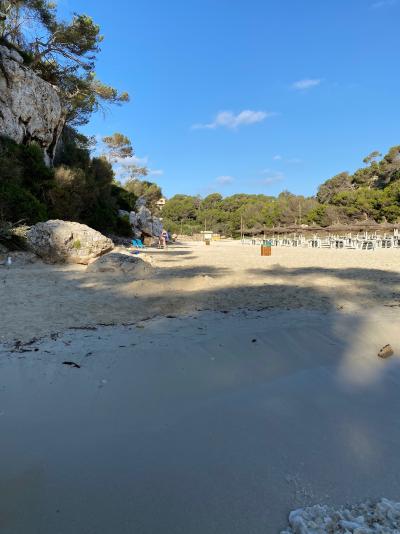
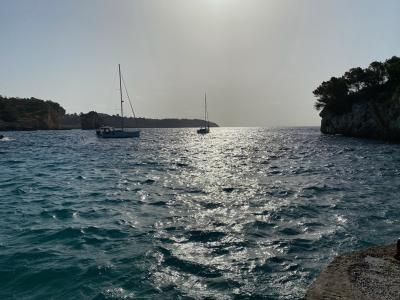
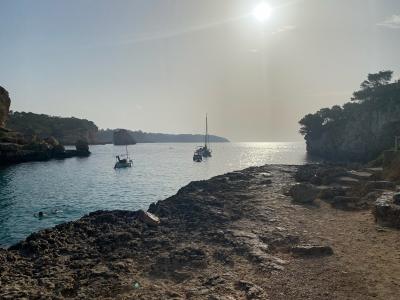
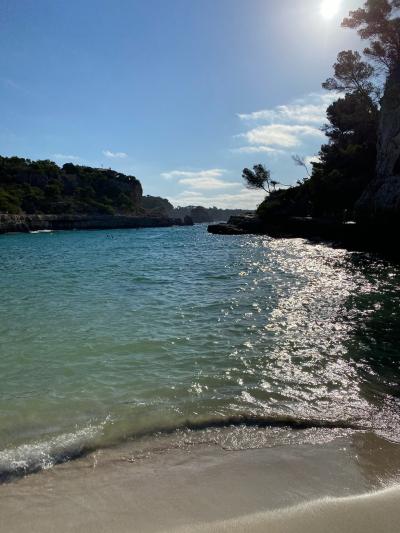
Cala Llombards, a picturesque cove located on the southeastern coast of Mallorca, has seen a notable evolution in its tourism over the years. Initially, this charming spot was a hidden gem favored by locals and a few adventurous travelers seeking tranquility and natural beauty. With its stunning turquoise waters and dramatic cliffs, it gradually attracted more visitors, especially as the island's overall appeal grew during the late 20th century. The introduction of better infrastructure, including roads and amenities, made Cala Llombards more accessible, leading to an increase in both day-trippers and longer-term holidaymakers.
As tourism blossomed, the area experienced significant changes. Small family-run establishments began to emerge, catering to the growing demand for accommodations, dining, and recreational activities. While this development has brought economic benefits and provided local jobs, it has also led to concerns about environmental sustainability and the preservation of its natural charm. Community efforts to balance tourism growth with conservation have become increasingly important, ensuring that the pristine beauty of Cala Llombards is maintained for future generations.
In recent years, there has been a shift towards promoting eco-friendly tourism practices, with an emphasis on respecting the natural environment and supporting local businesses. This approach not only helps to sustain the local economy but also enhances the overall visitor experience, as travelers are encouraged to engage with the area’s culture and natural resources. While tourism has undoubtedly transformed Cala Llombards, it has also prompted a deeper appreciation among visitors for the idyllic landscapes and the rich heritage of Mallorca, fostering a sense of responsibility towards protecting this beautiful destination.
As tourism blossomed, the area experienced significant changes. Small family-run establishments began to emerge, catering to the growing demand for accommodations, dining, and recreational activities. While this development has brought economic benefits and provided local jobs, it has also led to concerns about environmental sustainability and the preservation of its natural charm. Community efforts to balance tourism growth with conservation have become increasingly important, ensuring that the pristine beauty of Cala Llombards is maintained for future generations.
In recent years, there has been a shift towards promoting eco-friendly tourism practices, with an emphasis on respecting the natural environment and supporting local businesses. This approach not only helps to sustain the local economy but also enhances the overall visitor experience, as travelers are encouraged to engage with the area’s culture and natural resources. While tourism has undoubtedly transformed Cala Llombards, it has also prompted a deeper appreciation among visitors for the idyllic landscapes and the rich heritage of Mallorca, fostering a sense of responsibility towards protecting this beautiful destination.
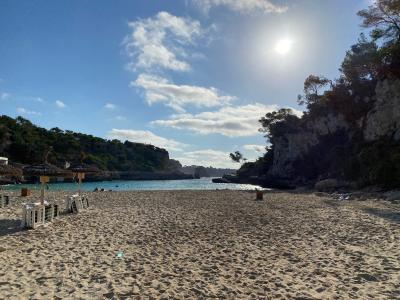
Cala Llombards
More Fotos