How has the celebration of the summer solstice evolved over the years in Mallorca?
Similar Topics
Mallorca summer solstice
San Juan celebrations
Mallorca traditions
ancient rituals Mallorca
beach festivities Mallorca
cultural events Mallorca
Palma summer solstice
Mediterranean nights
local wines Mallorca
traditional foods Mallorca
The celebration of the summer solstice in Mallorca has deep roots in the island's ancient history, with traditions that have evolved significantly over the centuries. Originally linked to prehistoric rituals and agricultural practices, this event marked the longest day of the year and was a time for honoring the sun and celebrating fertility. Early inhabitants would gather at sacred sites, such as the famous Talaiots, to perform ceremonies that highlighted the importance of the sun in their agricultural cycles, ensuring bountiful harvests.
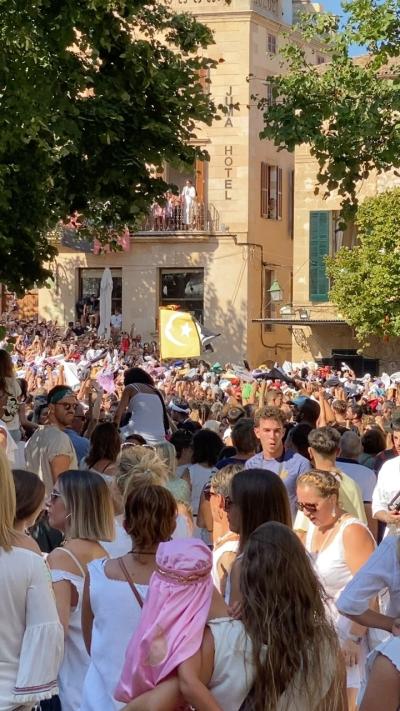
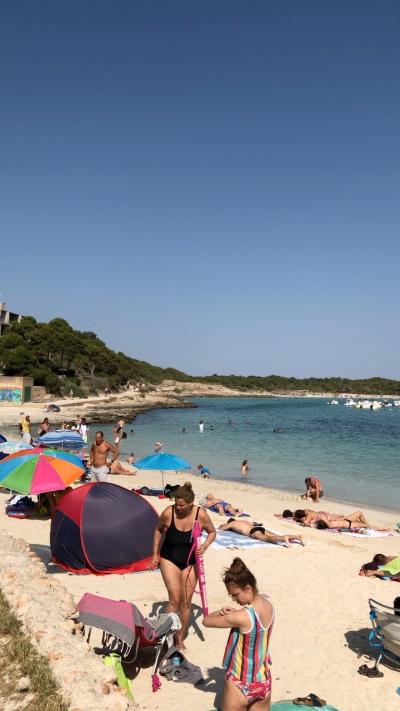
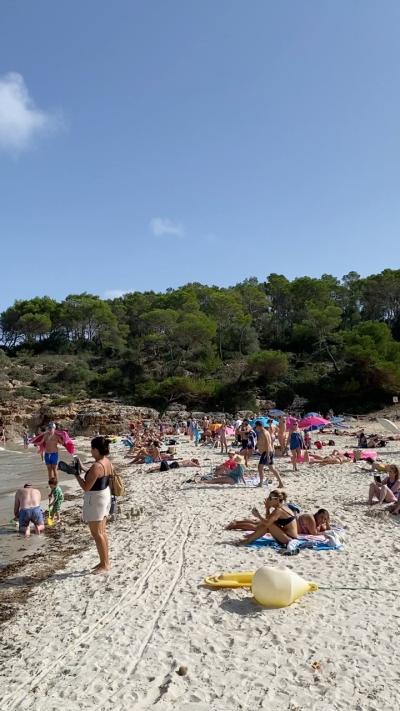
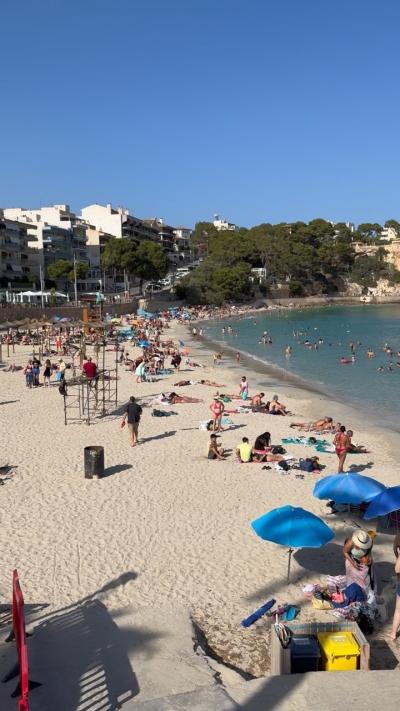
As time went on, these ancient customs blended with Christian traditions, and the summer solstice began to take on a more festive character. Today, the celebrations are vibrant and communal, often incorporating bonfires, music, and dance. The night of June 23rd, known as "San Juan," sees locals and visitors alike flocking to beaches, where they light fires to ward off evil spirits and celebrate the arrival of summer. This modern interpretation emphasizes joy and togetherness, with gatherings featuring traditional foods, local wines, and lively festivities that last well into the night.
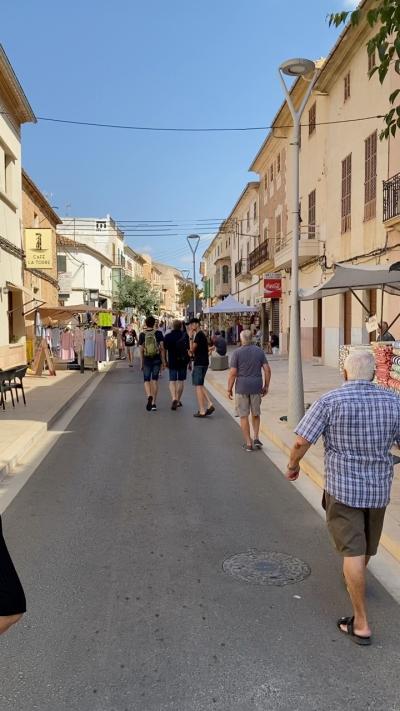
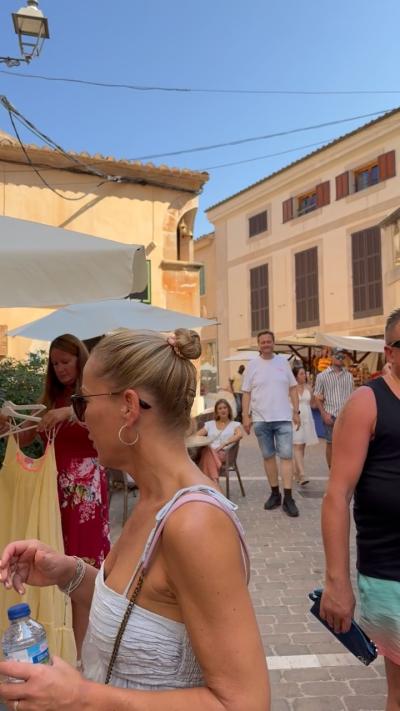
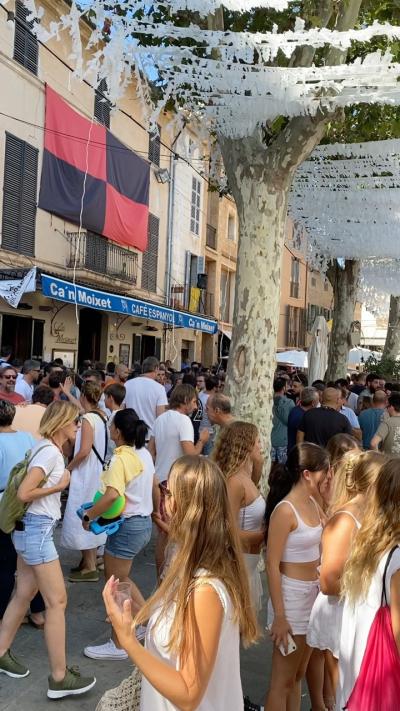
In recent years, the celebration has also attracted tourists, who come to experience the unique blend of ancient customs and contemporary revelry. Events are held throughout the island, from the bustling capital, Palma, to smaller towns where local traditions are preserved. While the essence of honoring the sun remains, the summer solstice in Mallorca now serves as an opportunity for people from all walks of life to come together, enjoy the warm Mediterranean nights, and celebrate the beauty of the island's summer. This evolution reflects Mallorca's rich cultural tapestry and its ability to embrace both its historical roots and modern influences.
As time went on, these ancient customs blended with Christian traditions, and the summer solstice began to take on a more festive character. Today, the celebrations are vibrant and communal, often incorporating bonfires, music, and dance. The night of June 23rd, known as "San Juan," sees locals and visitors alike flocking to beaches, where they light fires to ward off evil spirits and celebrate the arrival of summer. This modern interpretation emphasizes joy and togetherness, with gatherings featuring traditional foods, local wines, and lively festivities that last well into the night.
In recent years, the celebration has also attracted tourists, who come to experience the unique blend of ancient customs and contemporary revelry. Events are held throughout the island, from the bustling capital, Palma, to smaller towns where local traditions are preserved. While the essence of honoring the sun remains, the summer solstice in Mallorca now serves as an opportunity for people from all walks of life to come together, enjoy the warm Mediterranean nights, and celebrate the beauty of the island's summer. This evolution reflects Mallorca's rich cultural tapestry and its ability to embrace both its historical roots and modern influences.
More Fotos