Can you tell me about the process of making olive oil from Mallorcan olives?
Similar Topics
Mallorcan olives
olive oil production
Mallorca agriculture
olive oil tasting
Arbequina olives
Picual olives
traditional stone mills
olive oil quality
Mallorcan cuisine
olive oil extraction
Making olive oil from Mallorcan olives is a time-honored tradition that intertwines the island's agricultural heritage with its culinary culture. The process begins in late autumn when the olives reach their peak ripeness, typically between October and December. Farmers carefully handpick the olives to ensure they are at their best, as the quality of the fruit directly influences the flavor and aroma of the oil. In Mallorca, the main varieties include Arbequina, which is small and sweet, and Picual, known for its robust and peppery taste.
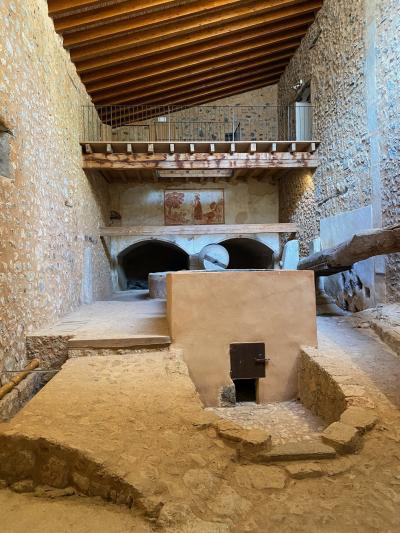
Once the olives are harvested, they are promptly taken to a mill to prevent fermentation and preserve their quality. The first step at the mill involves washing the olives to remove any dirt or debris. Then, they are crushed into a paste using traditional stone mills or modern steel grinders. This paste is then mixed, allowing the oil to separate from the solid parts. After mixing, the paste is placed in a press, where the oil is extracted through hydraulic pressure. The resulting liquid is then separated from the pomace, and the pure olive oil is collected.
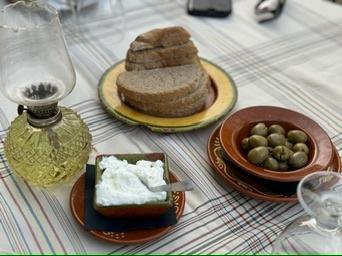
The next stage is where the magic happens—decanting and filtering. The oil is left to settle for a few days in tanks, allowing any remaining solids to sink to the bottom. It is then filtered to achieve clarity and enhance its shelf life. The final product, often bottled immediately for freshness, reflects the unique characteristics of the Mallorcan landscape, capturing the essence of its sun-drenched hills and rocky soils. Many local producers invite visitors to their farms for tastings, providing a wonderful opportunity to learn about the nuances of different oils and their uses in traditional Mallorcan cuisine. Engaging with this process not only highlights the craftsmanship involved but also deepens your appreciation for one of Mallorca's most cherished culinary treasures.
Once the olives are harvested, they are promptly taken to a mill to prevent fermentation and preserve their quality. The first step at the mill involves washing the olives to remove any dirt or debris. Then, they are crushed into a paste using traditional stone mills or modern steel grinders. This paste is then mixed, allowing the oil to separate from the solid parts. After mixing, the paste is placed in a press, where the oil is extracted through hydraulic pressure. The resulting liquid is then separated from the pomace, and the pure olive oil is collected.
The next stage is where the magic happens—decanting and filtering. The oil is left to settle for a few days in tanks, allowing any remaining solids to sink to the bottom. It is then filtered to achieve clarity and enhance its shelf life. The final product, often bottled immediately for freshness, reflects the unique characteristics of the Mallorcan landscape, capturing the essence of its sun-drenched hills and rocky soils. Many local producers invite visitors to their farms for tastings, providing a wonderful opportunity to learn about the nuances of different oils and their uses in traditional Mallorcan cuisine. Engaging with this process not only highlights the craftsmanship involved but also deepens your appreciation for one of Mallorca's most cherished culinary treasures.
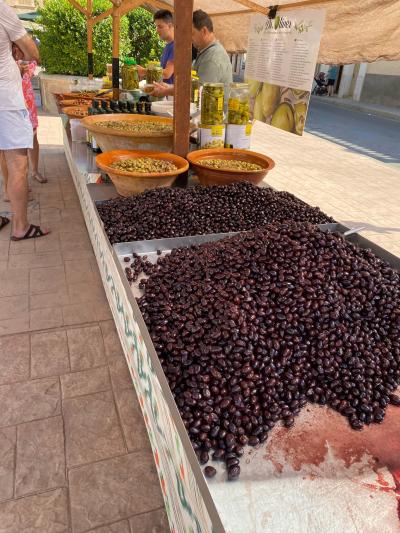
Campos
More Fotos