Which historical sites in Mallorca offer interactive experiences for children?
Similar Topics
mallorca history
family activities mallorca
almudaina palace
alcudia medieval walls
soller railway
interactive museums
sant sebastia festival
tramuntana history
The old town of Palma has several family-friendly spots where history comes alive for kids. At the Almudaina Palace, children can explore ancient rooms and imagine life in a Moorish fortress, while occasional workshops bring medieval crafts like calligraphy and sword-making to life. Nearby, the Museu d'Història de Palma offers interactive exhibits on the city's Roman and Moorish past, often featuring hands-on activities designed to engage younger visitors through puzzles and storytelling.
The picturesque town of Alcudia is another great choice, especially with its well-preserved medieval walls and Roman ruins. Children can walk along the old fortifications and participate in educational tours that explain the island’s multicultural history in accessible ways. For an outdoor adventure, the Soller railway ride itself feels like stepping back in time, and once in town, the Maritime Museum enriches the experience with tactile displays about Mallorca’s seafaring traditions.
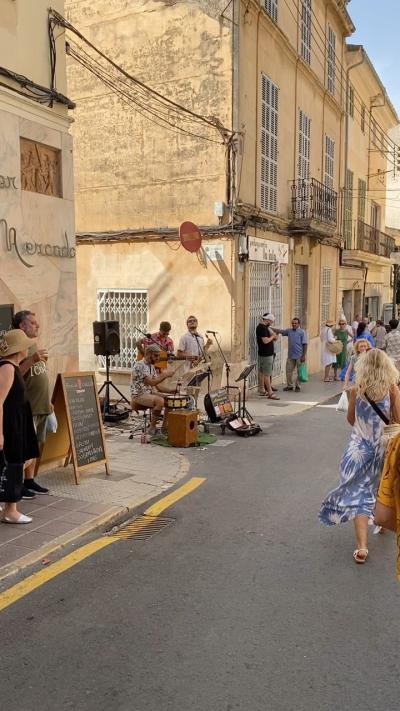
Around the Tramuntana, historic fincas occasionally host family days where making traditional Mallorcan foods like pa amb oli can tie history to local culture. Festivals like Sant Sebastia in Palma also offer performances and demonstrations that capture the island’s vibrant past, allowing children to experience history through music, dance, and community celebrations. These interactive touches—from castles and museums to festivals—make history tangible and entertaining for younger visitors across the island.
The picturesque town of Alcudia is another great choice, especially with its well-preserved medieval walls and Roman ruins. Children can walk along the old fortifications and participate in educational tours that explain the island’s multicultural history in accessible ways. For an outdoor adventure, the Soller railway ride itself feels like stepping back in time, and once in town, the Maritime Museum enriches the experience with tactile displays about Mallorca’s seafaring traditions.
Around the Tramuntana, historic fincas occasionally host family days where making traditional Mallorcan foods like pa amb oli can tie history to local culture. Festivals like Sant Sebastia in Palma also offer performances and demonstrations that capture the island’s vibrant past, allowing children to experience history through music, dance, and community celebrations. These interactive touches—from castles and museums to festivals—make history tangible and entertaining for younger visitors across the island.

More Fotos