How well do restaurants and markets around Palma cater to dietary restrictions and preferences?
Similar Topics
palma dining
dietary restrictions
gluten-free mallorca
vegan mallorca
sobrassada alternatives
balearic food
organic markets mallorca
binissalem wine
Many visitors arrive expecting a traditional Mediterranean diet focused solely on meat and seafood, but Palma and the surrounding towns offer a surprisingly broad range of options for various diets. In areas like Palma, Soller, and Pollenca, restaurants are increasingly accommodating vegetarians, vegans, and those with gluten intolerance. Menus often highlight local specialties such as pa amb oli or tumbet with the option to enjoy them prepared without animal products or gluten. Chefs in the island’s more forward-thinking eateries readily adapt classic dishes to suit dietary needs, ensuring nobody misses out on the rich flavors typical of the Balearic gastronomic tradition.
Beyond formal dining, local markets in places like Alcudia and Manacor showcase organic and allergy-friendly produce, making it easy to assemble fresh meals when self-catering. This openness is reflected in seasonal events too, like the Sant Sebastia festival in Palma or the Festa de l'Ametler in the Tramuntana villages, where you can often find stalls with vegan sweets, gluten-free baked goods, and fresh juices. Many establishments provide detailed ingredient information or knowledgeable staff, helping those with food allergies or intolerances eat with confidence.
Communicating dietary restrictions clearly remains the best approach, especially outside of Palma, where smaller family-run restaurants may have more limited flexibility. Still, the growing emphasis on inclusivity is evident across the island’s dining scene, balancing traditional flavors such as sobrassada and Binissalem wines with modern, health-conscious preferences. Whether savoring an ensaimada in Valldemossa with gluten-free coffee or trying a herbal Palo bitters after a meal, the island’s culinary offerings are increasingly mindful of diverse diets, ensuring a satisfying experience for all palates.
Beyond formal dining, local markets in places like Alcudia and Manacor showcase organic and allergy-friendly produce, making it easy to assemble fresh meals when self-catering. This openness is reflected in seasonal events too, like the Sant Sebastia festival in Palma or the Festa de l'Ametler in the Tramuntana villages, where you can often find stalls with vegan sweets, gluten-free baked goods, and fresh juices. Many establishments provide detailed ingredient information or knowledgeable staff, helping those with food allergies or intolerances eat with confidence.
Communicating dietary restrictions clearly remains the best approach, especially outside of Palma, where smaller family-run restaurants may have more limited flexibility. Still, the growing emphasis on inclusivity is evident across the island’s dining scene, balancing traditional flavors such as sobrassada and Binissalem wines with modern, health-conscious preferences. Whether savoring an ensaimada in Valldemossa with gluten-free coffee or trying a herbal Palo bitters after a meal, the island’s culinary offerings are increasingly mindful of diverse diets, ensuring a satisfying experience for all palates.
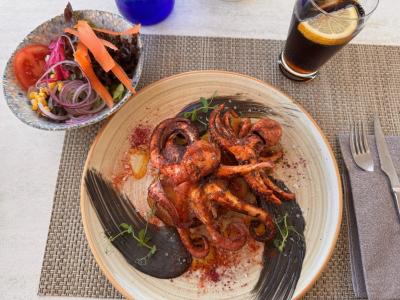
Cala Figuera
More Fotos