How did the population of Mallorca respond to the challenges they faced in the late Middle Ages?
Similar Topics
Mallorca history
Catalan conquest
Bellver Castle
Medieval Mallorca
agricultural advancements
Mediterranean trade
fortification
community organization
artisans and merchants
cultural exchange
In the late Middle Ages, the population of Mallorca faced significant challenges, including invasions, economic hardships, and social unrest. One of the most notable events was the Catalan conquest in the 13th century, which marked the beginning of a new era for the island. The local population, primarily composed of farmers and fishermen, gradually adapted to the changing political landscape by embracing the agricultural advancements that came with Catalan influence. They began cultivating more diverse crops, such as wheat and olives, which not only improved their food security but also allowed them to participate in burgeoning trade networks across the Mediterranean.
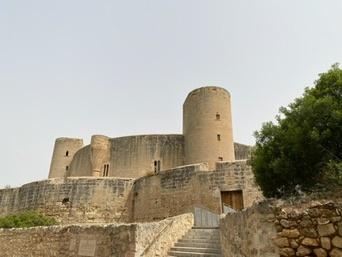
As threats from piracy and foreign invasions loomed, the Mallorcan people turned to fortification and community organization. The construction of defensive structures, like the impressive Bellver Castle, became a priority, showcasing their determination to protect their homeland. The sense of unity among the residents grew stronger, as they collaborated to defend their territory and support one another through hardships. This communal spirit was vital in overcoming the challenges of famine and economic instability, allowing them to develop a resilient society that could withstand external pressures.
Over time, the population also saw an influx of merchants and artisans, which contributed to the island's economic revitalization. This cultural exchange enriched Mallorcan life, leading to a blossoming of art, architecture, and trade. The late Middle Ages ultimately set the stage for Mallorca’s transformation into a vibrant hub of commerce and culture, as its residents learned to adapt and thrive amid adversity. The legacy of this period is still evident today, as you can explore the rich history and resilient spirit of the island through its historic sites and local traditions.
As threats from piracy and foreign invasions loomed, the Mallorcan people turned to fortification and community organization. The construction of defensive structures, like the impressive Bellver Castle, became a priority, showcasing their determination to protect their homeland. The sense of unity among the residents grew stronger, as they collaborated to defend their territory and support one another through hardships. This communal spirit was vital in overcoming the challenges of famine and economic instability, allowing them to develop a resilient society that could withstand external pressures.
Over time, the population also saw an influx of merchants and artisans, which contributed to the island's economic revitalization. This cultural exchange enriched Mallorcan life, leading to a blossoming of art, architecture, and trade. The late Middle Ages ultimately set the stage for Mallorca’s transformation into a vibrant hub of commerce and culture, as its residents learned to adapt and thrive amid adversity. The legacy of this period is still evident today, as you can explore the rich history and resilient spirit of the island through its historic sites and local traditions.

More Fotos