Which beaches in Mallorca are famous for their unique rock formations and scenic coves?
Similar Topics
cala mondragó
formentor cliffs
cala llombards
serra de tramuntana
es trenc beach
mallorca coves
rocky beaches
santanyi coast
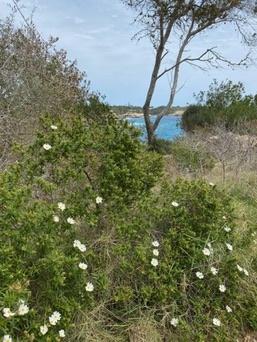
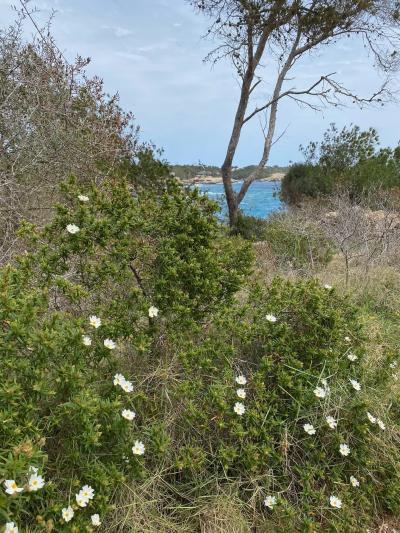
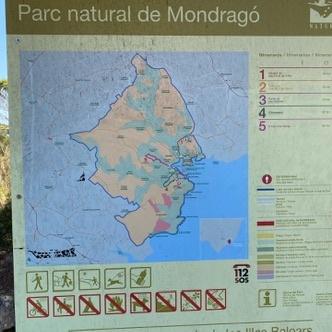
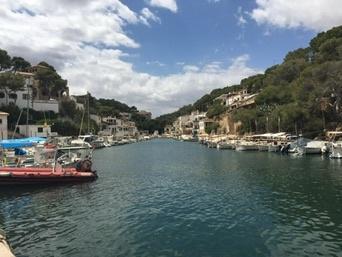
The coves along Mallorca's coast, especially on the north and east, display some of the island’s most captivating rock formations. Cala Mondragó, near the quaint town of Santanyí, offers sheltered turquoise waters framed by rugged sandstone cliffs and caves that invite exploration. The nearby natural park combines sandy beach stretches with rocky outcrops that create inviting swimming and snorkeling spots. On the northern tip, the iconic Formentor Peninsula reveals dramatic limestone cliffs plunging into the Mediterranean, with secluded rocky inlets perfect for quiet afternoons away from the crowds.
Further south, Cala Llombards is a smaller, more intimate cove where jagged rock faces meet crystal-clear waters, making it a photographer’s favourite. These formations not only sculpt the coastline’s beauty but also support vibrant marine life, rewarding snorkelers with glimpses of colourful fish hiding among the rocks. The walk along the Ma-10 road through the Serra de Tramuntana offers hundreds of vantage points overlooking a coastline where sea and stone entwine perfectly. Es Trenc’s long, golden stretch contrasts with these rocky coves, but nearby rocks and dunes add textural interest to the beach’s natural charm.
Exploring by boat or joining a local excursion from Palma or Port de Pollença is a great way to appreciate the diversity of Mallorca’s rocky beaches and hidden coves. Each spot carries its own character — from wind-shaped sea stacks to ancient caves with crystal-clear waters. Whether hiking the coastal trails of Valldemossa and Deià or soaking up the sun by a rocky inlet, you’ll discover why these natural stone formations have become symbols of the island’s wild beauty.
Further south, Cala Llombards is a smaller, more intimate cove where jagged rock faces meet crystal-clear waters, making it a photographer’s favourite. These formations not only sculpt the coastline’s beauty but also support vibrant marine life, rewarding snorkelers with glimpses of colourful fish hiding among the rocks. The walk along the Ma-10 road through the Serra de Tramuntana offers hundreds of vantage points overlooking a coastline where sea and stone entwine perfectly. Es Trenc’s long, golden stretch contrasts with these rocky coves, but nearby rocks and dunes add textural interest to the beach’s natural charm.
Exploring by boat or joining a local excursion from Palma or Port de Pollença is a great way to appreciate the diversity of Mallorca’s rocky beaches and hidden coves. Each spot carries its own character — from wind-shaped sea stacks to ancient caves with crystal-clear waters. Whether hiking the coastal trails of Valldemossa and Deià or soaking up the sun by a rocky inlet, you’ll discover why these natural stone formations have become symbols of the island’s wild beauty.

Portopetro
More Fotos