What are some challenges Mallorca faces today that can be linked to its EU membership?
Similar Topics
Mallorca challenges
EU membership impact
tourism pressure
local resources
environmental sustainability
agriculture competition
organic farming Mallorca
cost of living
vacation rentals
property prices Mallorca
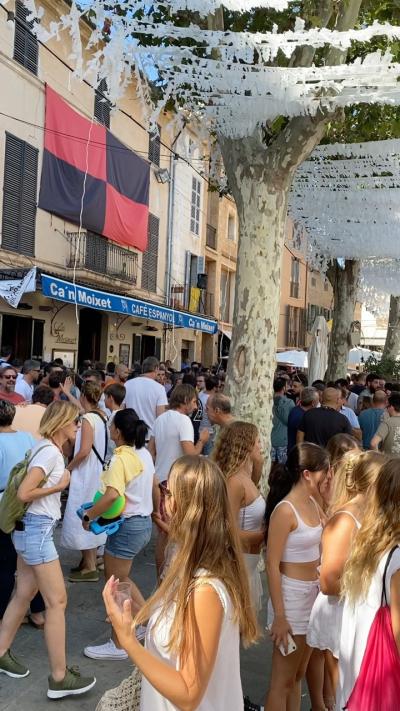
Mallorca, as a part of Spain and the European Union, has experienced both benefits and challenges linked to its EU membership. One significant challenge is the pressure on local resources, particularly in the tourism sector. With the EU facilitating easier travel and increased accessibility, Mallorca has seen a surge in tourist numbers, which, while beneficial for the economy, has led to overcrowding in popular areas. This influx can strain local infrastructure, from public transport to waste management, and it raises concerns about environmental sustainability as natural landscapes become more vulnerable to degradation.
Another challenge is the impact of EU regulations on local businesses and agricultural practices. Farmers and producers on the island often find it difficult to compete with larger, subsidized agricultural operations in other EU countries. This has led to a decline in traditional farming practices and a loss of local products in favor of mass-produced goods. As a result, there is a growing movement among locals to promote organic farming and sustainable practices, but balancing these efforts with the demands of a global market remains a struggle.
Additionally, the cost of living in Mallorca has been affected by EU policies, particularly in terms of housing. As demand for vacation rentals increases, locals often find it challenging to secure affordable housing. The rise in property prices can be attributed, in part, to the influx of foreign investment encouraged by EU regulations, which can displace long-term residents and alter the cultural fabric of the island. Thus, while EU membership has brought economic growth and development opportunities, it has also introduced complexities that the island must navigate carefully to preserve its unique character and heritage.
Another challenge is the impact of EU regulations on local businesses and agricultural practices. Farmers and producers on the island often find it difficult to compete with larger, subsidized agricultural operations in other EU countries. This has led to a decline in traditional farming practices and a loss of local products in favor of mass-produced goods. As a result, there is a growing movement among locals to promote organic farming and sustainable practices, but balancing these efforts with the demands of a global market remains a struggle.
Additionally, the cost of living in Mallorca has been affected by EU policies, particularly in terms of housing. As demand for vacation rentals increases, locals often find it challenging to secure affordable housing. The rise in property prices can be attributed, in part, to the influx of foreign investment encouraged by EU regulations, which can displace long-term residents and alter the cultural fabric of the island. Thus, while EU membership has brought economic growth and development opportunities, it has also introduced complexities that the island must navigate carefully to preserve its unique character and heritage.
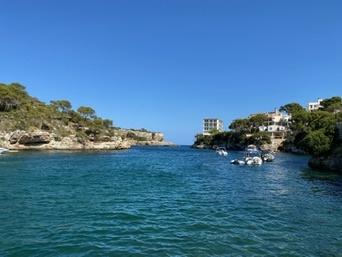
Cala Figuera
More Fotos