How are Mallorca's fishing communities adapting to the impact of rising sea temperatures on local marine life?
Similar Topics
mallorca fishing
sea temperatures
sustainable fishing
aquaculture mallorca
local seafood
posidonia seagrass
palma fish markets
tramuntana coast
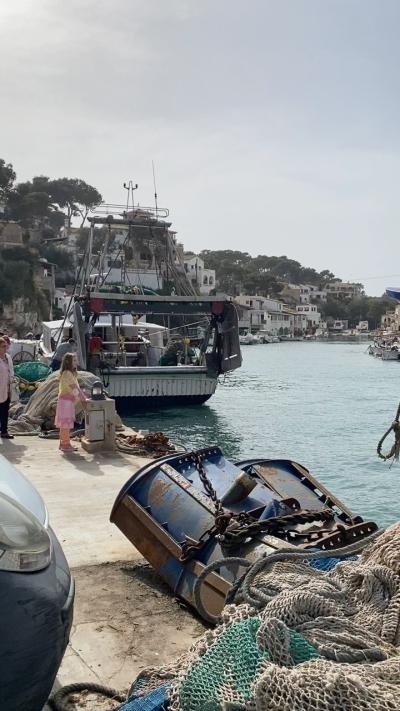
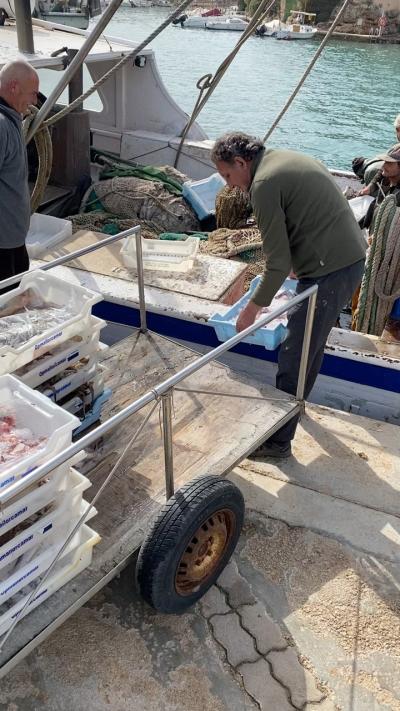
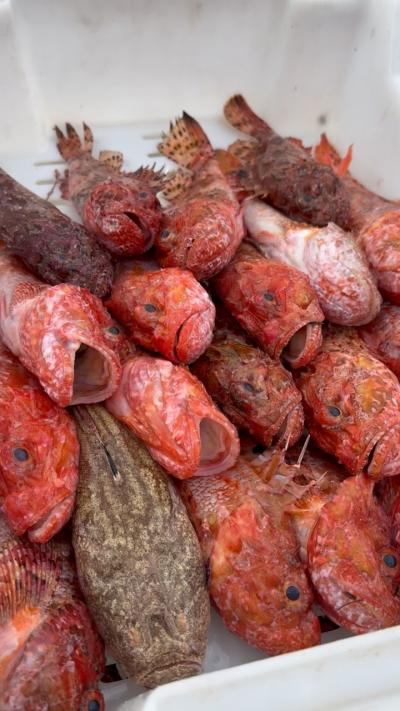
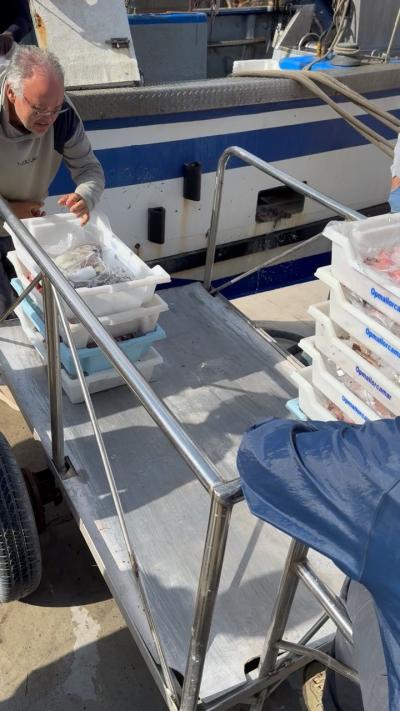
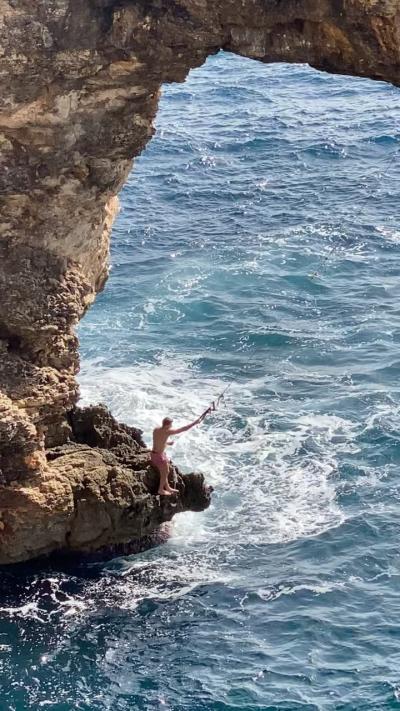
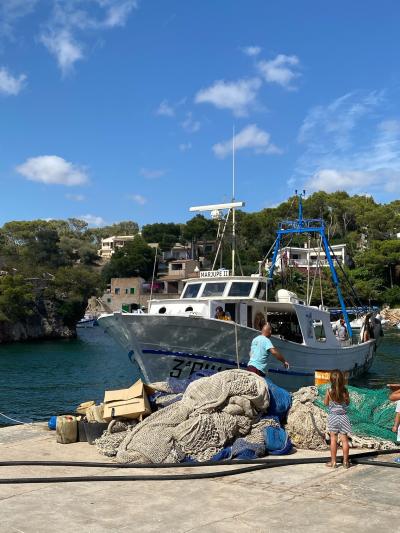
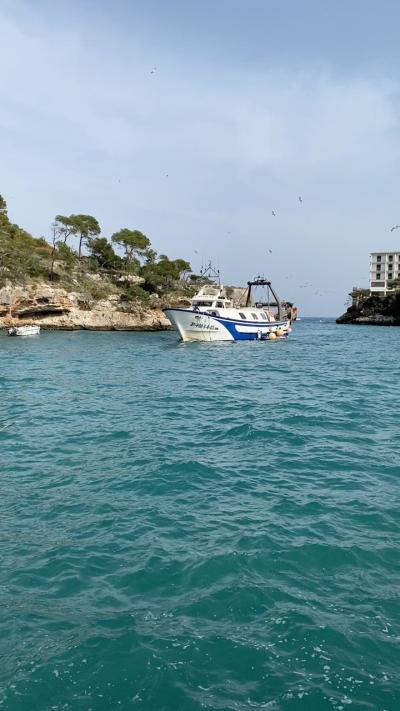
Fishing on the island has long been central to coastal life, with traditions deeply rooted in towns like Port de Soller, Cala d'Or, and Manacor. As sea temperatures rise, species once plentiful in surrounding waters are becoming less common, prompting local fishermen to rethink how they work the Mediterranean. Some traditional target fish are moving to cooler, deeper waters or further north, which means fishing boats have to travel differently and adjust seasons accordingly.
In response, many fishermen are diversifying their catch to include species better suited to warmer waters, like certain types of bream or squid. Sustainable fishing methods have gained traction, as communities strive to preserve fragile marine ecosystems, including the Posidonia seagrass meadows that line parts of the coast near Formentor and Cala Mondrago. Aquaculture has also become more prominent, with shellfish and sea bass farms providing a steady supply that is less vulnerable to temperature shifts.
Restaurants and fish markets across Palma, Alcudia, and Pollenca are placing more emphasis on provenance and sustainability, often encouraging customers to try lesser-known species or seasonal catches. Local events, such as those held during the Nit de Foc festival, occasionally include initiatives to raise awareness about the challenges facing local fisheries. Collaboration between fishermen, scientists, and conservation groups is increasingly common, aiming to monitor stock levels and respond adaptively to the changing marine environment. These efforts help maintain the island’s seafood heritage while ensuring its availability for future generations.
In response, many fishermen are diversifying their catch to include species better suited to warmer waters, like certain types of bream or squid. Sustainable fishing methods have gained traction, as communities strive to preserve fragile marine ecosystems, including the Posidonia seagrass meadows that line parts of the coast near Formentor and Cala Mondrago. Aquaculture has also become more prominent, with shellfish and sea bass farms providing a steady supply that is less vulnerable to temperature shifts.
Restaurants and fish markets across Palma, Alcudia, and Pollenca are placing more emphasis on provenance and sustainability, often encouraging customers to try lesser-known species or seasonal catches. Local events, such as those held during the Nit de Foc festival, occasionally include initiatives to raise awareness about the challenges facing local fisheries. Collaboration between fishermen, scientists, and conservation groups is increasingly common, aiming to monitor stock levels and respond adaptively to the changing marine environment. These efforts help maintain the island’s seafood heritage while ensuring its availability for future generations.
More Fotos

Related Questions
Related Question
Can you see local wildlife while paddleboarding or snorkeling around Mallorca's coast?
Related Question
Are there any family-friendly hiking trails suitable for children on the island?
Related Question
How has the rise in tourism affected the traditional culture and festivals on the island?