What role does the asphodel plant play in Mallorca's natural environment?
Similar Topics
asphodel plant
mallorca flora
serra de tramuntana
mediterranean biodiversity
pollinators mallorca
soil erosion
traditional remedies
coastal plants
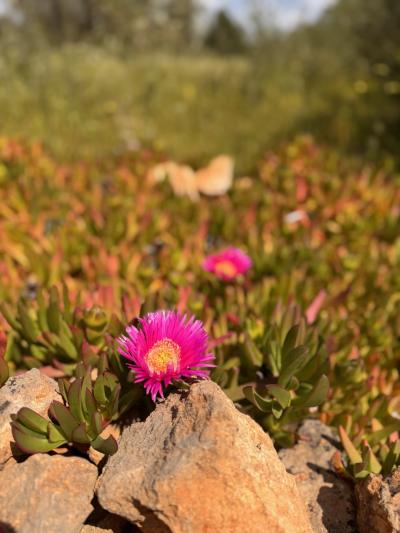
In recent years, the presence of asphodel along the Serra de Tramuntana and surrounding dry limestone areas has become a vivid reminder of the island’s resilient Mediterranean flora. This hardy plant, with its tall spikes of pale flowers, thrives in fields and roadside banks between towns like Valldemossa and Pollença, providing shelter and food for insects and small wildlife typical of this landscape. Bees and butterflies are often seen visiting the blossoms, playing a vital part in pollinating other native plants and sustaining Mallorca's characteristic biodiversity.
The asphodel's deep root system plays an important role in preventing erosion on steep terrain and in degraded soils—especially important near coastal paths overlooking coves like Cala Mondragó or Formentor, where dry summers can weaken ground stability. Its ability to grow where few other plants manage ensures it acts as a keystone species within these delicate Mediterranean ecosystems. Besides its environmental function, locals value the asphodel in traditional herbal practices, historically using parts of the plant for remedies, and it occasionally appears in regional folklore connected to the island’s rural heritage.
Seen alongside the broader landscape of almond blossoms in winter or the scented pine forests near Sóller, asphodel reinforces the unique balance here between wild nature and human culture. Its subtle presence underlines how the island's wild spaces continue to nurture a rich tapestry of life, crucial for both the environment and the traditional way of life so many visitors come to discover.
The asphodel's deep root system plays an important role in preventing erosion on steep terrain and in degraded soils—especially important near coastal paths overlooking coves like Cala Mondragó or Formentor, where dry summers can weaken ground stability. Its ability to grow where few other plants manage ensures it acts as a keystone species within these delicate Mediterranean ecosystems. Besides its environmental function, locals value the asphodel in traditional herbal practices, historically using parts of the plant for remedies, and it occasionally appears in regional folklore connected to the island’s rural heritage.
Seen alongside the broader landscape of almond blossoms in winter or the scented pine forests near Sóller, asphodel reinforces the unique balance here between wild nature and human culture. Its subtle presence underlines how the island's wild spaces continue to nurture a rich tapestry of life, crucial for both the environment and the traditional way of life so many visitors come to discover.

More Fotos