How did Jaume I’s actions in Santa Ponça shape the future of Mallorca within the Kingdom of Aragon?
Similar Topics
Jaume I
Santa Ponça
Mallorca history
Kingdom of Aragon
Balearic Islands
cultural transformation
economic growth
town of Palma
trade routes
agricultural practices
Jaume I, also known as James I of Aragon, played a pivotal role in shaping the future of Mallorca during his conquest in the 13th century. In 1229, he landed in Santa Ponça, marking the beginning of a significant military campaign that would ultimately lead to the incorporation of Mallorca into the Kingdom of Aragon. His actions not only established Aragonese dominance over the Balearic Islands but also initiated a period of cultural and economic transformation. The conquest facilitated the introduction of new agricultural practices, trade routes, and governance structures, laying the groundwork for the island's integration into the broader political landscape of the Mediterranean.
Following the conquest, Jaume I implemented policies that encouraged repopulation and revitalization of the island. He invited settlers from various regions, including Catalonia and Aragón, which fostered a diverse cultural environment and contributed to the growth of towns and infrastructure. The establishment of the town of Palma as the capital served as a strategic hub for trade and administration, linking Mallorca more closely with the rest of the kingdom. This transformation not only strengthened the island's economic position but also solidified its identity as a vital part of the Kingdom of Aragon.
Over time, Jaume I's conquest and the subsequent developments in Mallorca helped to secure the island's status within the kingdom, allowing it to flourish culturally and economically. The blending of different cultures and the rise of trade led to a vibrant society that would influence art, architecture, and local traditions for centuries to come. Consequently, the legacy of Jaume I’s actions in Santa Ponça continues to resonate today, as visitors can still explore the historical sites and witness the rich cultural tapestry that emerged from this pivotal moment in Mallorcan history.
Following the conquest, Jaume I implemented policies that encouraged repopulation and revitalization of the island. He invited settlers from various regions, including Catalonia and Aragón, which fostered a diverse cultural environment and contributed to the growth of towns and infrastructure. The establishment of the town of Palma as the capital served as a strategic hub for trade and administration, linking Mallorca more closely with the rest of the kingdom. This transformation not only strengthened the island's economic position but also solidified its identity as a vital part of the Kingdom of Aragon.
Over time, Jaume I's conquest and the subsequent developments in Mallorca helped to secure the island's status within the kingdom, allowing it to flourish culturally and economically. The blending of different cultures and the rise of trade led to a vibrant society that would influence art, architecture, and local traditions for centuries to come. Consequently, the legacy of Jaume I’s actions in Santa Ponça continues to resonate today, as visitors can still explore the historical sites and witness the rich cultural tapestry that emerged from this pivotal moment in Mallorcan history.
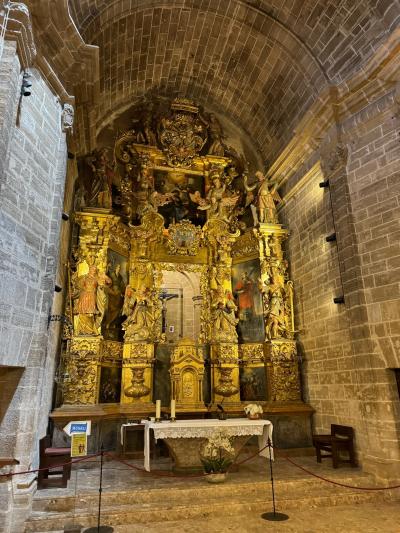
Alcúdia
More Fotos