How does the climate differ between the Serra de Tramuntana peaks and the coastal towns like Palma?
Similar Topics
serra de tramuntana
palma climate
mallorca mountain weather
coastal towns weather
ma-10 weather
mallorca spring climate
tramuntana temperature
weather layering
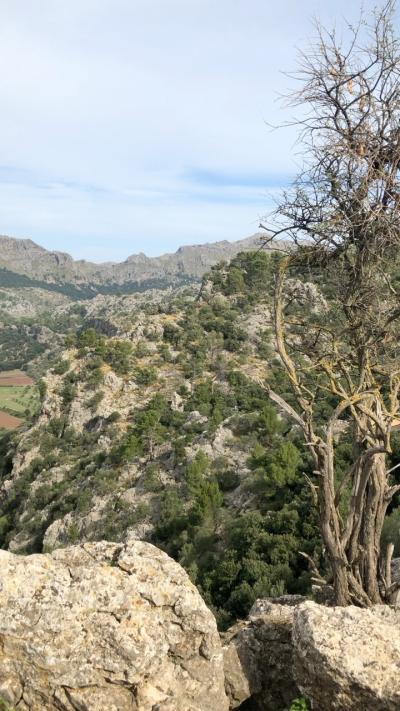
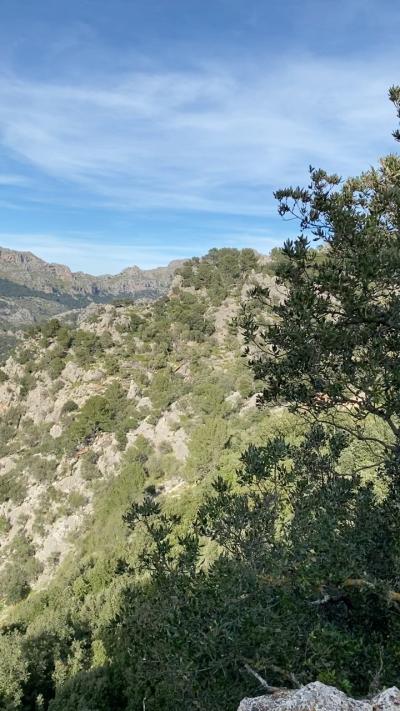
If you’re planning to explore the Serra de Tramuntana mountain range, expect a noticeable shift in weather compared to the coast. At sea level, towns like Palma or Alcudia enjoy warm sunshine and gentle breezes, especially during spring and autumn when temperatures are comfortably mild. As you climb higher along routes such as the Ma-10, the air tends to cool considerably, and conditions can change swiftly. The peaks often carry a crispness, with cool winds that might surprise you even in late spring or early autumn.
In winter, the difference becomes more marked. While Palma’s streets rarely see frost, the Tramuntana summits can be frosty or dusted with snow, bringing a striking contrast within a short drive. The hills around Valldemossa and Deia also feel this chill, where mist or cloud cover can descend quickly, making layers essential for comfort. Coastal areas like Cala Mondrago or Formentor tend to stay warmer and sunnier, but the mountain weather can influence local microclimates, bringing sudden showers or wind gusts.
Knowing this variation is key for anyone trekking the scenic trails or driving through the winding roads. Dressing in layers and carrying waterproofs will ensure you enjoy the panoramic views from Puig Major or the quiet charm of mountain villages without being caught out by a sudden change. Whether you’re starting your day by the sea or heading up to explore the island’s rugged interior, it helps to be prepared for these shifts in climate.
In winter, the difference becomes more marked. While Palma’s streets rarely see frost, the Tramuntana summits can be frosty or dusted with snow, bringing a striking contrast within a short drive. The hills around Valldemossa and Deia also feel this chill, where mist or cloud cover can descend quickly, making layers essential for comfort. Coastal areas like Cala Mondrago or Formentor tend to stay warmer and sunnier, but the mountain weather can influence local microclimates, bringing sudden showers or wind gusts.
Knowing this variation is key for anyone trekking the scenic trails or driving through the winding roads. Dressing in layers and carrying waterproofs will ensure you enjoy the panoramic views from Puig Major or the quiet charm of mountain villages without being caught out by a sudden change. Whether you’re starting your day by the sea or heading up to explore the island’s rugged interior, it helps to be prepared for these shifts in climate.

Sa Calobra
More Fotos