What materials are commonly used in traditional Mallorcan buildings?
Similar Topics
Mallorcan buildings
traditional architecture
local materials
sandstone
limestone
clay tiles
tejas
wooden beams
wrought iron
cultural heritage
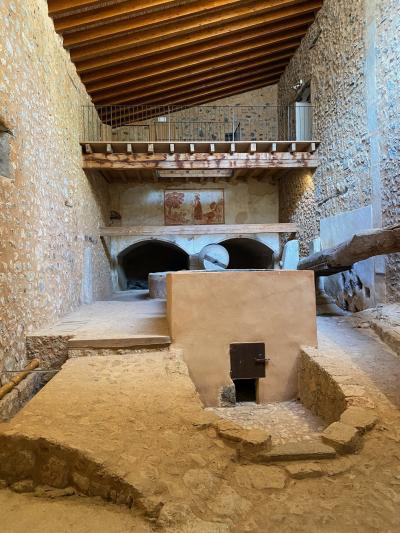
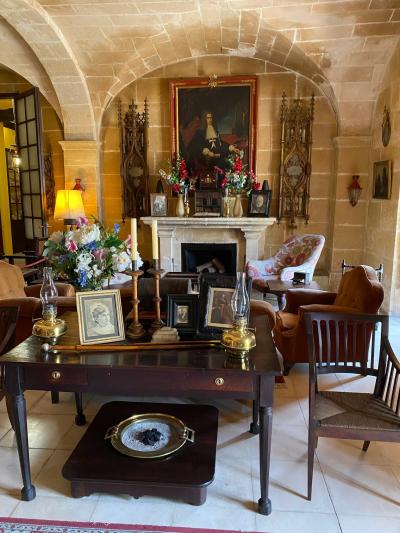
Traditional Mallorcan buildings are characterized by their unique use of local materials, which reflect the island's rich history and natural environment. One of the most prominent materials is sandstone, sourced from the island's quarries. This warm, yellowish stone is not only aesthetically pleasing but also provides excellent insulation, helping to keep homes cool in the hot Mediterranean summers. The use of limestone is also common, offering a sturdy foundation and structural integrity to the buildings, often adorned with intricate carvings that showcase the artistry of local craftsmen.
In addition to stone, traditional Mallorcan architecture frequently incorporates clay tiles, known as "tejas," which are used for roofing. These tiles are typically red or terracotta in color and are designed to withstand the elements while adding to the rustic charm of the structures. Wooden beams, often visible in the ceilings, are another typical feature, showcasing the craftsmanship of local artisans. These beams are not only functional but also add warmth and character to the interiors.
Another important element in these buildings is the use of wrought iron, particularly in window grills and balconies, which combine beauty with security. Traditional shutters, often painted in vibrant colors, enhance the aesthetic and provide protection from the sun. Lastly, many structures incorporate local vegetation, such as stone walls draped with bougainvillea or vines, blending the buildings seamlessly with the surrounding landscape. This harmonious blend of materials creates a distinctive architectural style that tells the story of Mallorca's cultural heritage and deep connection to its natural surroundings.
In addition to stone, traditional Mallorcan architecture frequently incorporates clay tiles, known as "tejas," which are used for roofing. These tiles are typically red or terracotta in color and are designed to withstand the elements while adding to the rustic charm of the structures. Wooden beams, often visible in the ceilings, are another typical feature, showcasing the craftsmanship of local artisans. These beams are not only functional but also add warmth and character to the interiors.
Another important element in these buildings is the use of wrought iron, particularly in window grills and balconies, which combine beauty with security. Traditional shutters, often painted in vibrant colors, enhance the aesthetic and provide protection from the sun. Lastly, many structures incorporate local vegetation, such as stone walls draped with bougainvillea or vines, blending the buildings seamlessly with the surrounding landscape. This harmonious blend of materials creates a distinctive architectural style that tells the story of Mallorca's cultural heritage and deep connection to its natural surroundings.
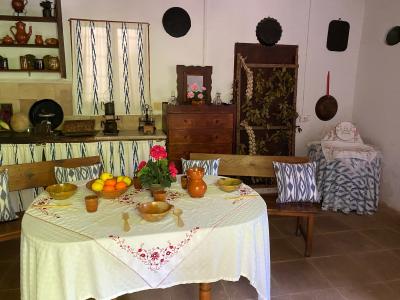
Bunyola
More Fotos