What measures are in place to protect native wildlife along Mallorca's coastline?
Similar Topics
marine reserves
loggerhead turtles
formentor coast
cabrera archipelago
es trenc dunes
sustainable tourism
local conservation
coastal biodiversity
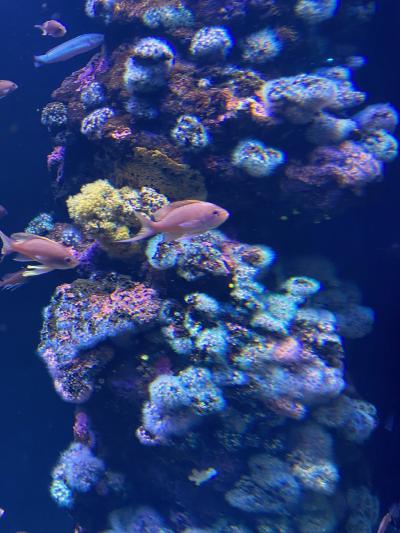
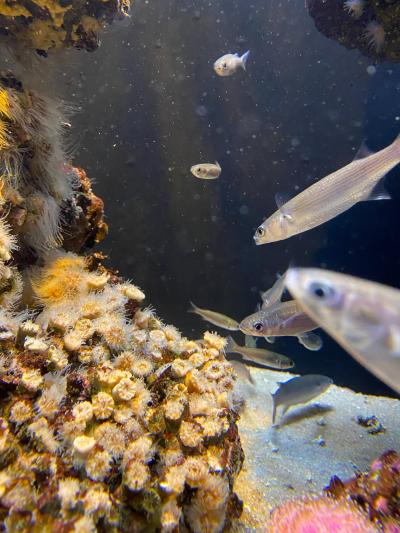
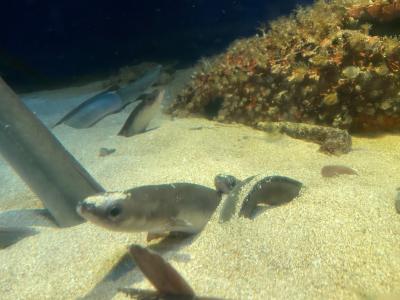
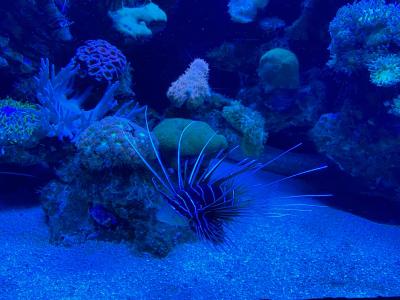
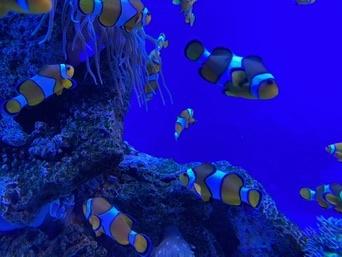
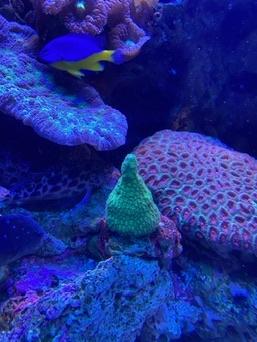
Protecting the island's rich coastal biodiversity relies heavily on a network of protected marine reserves, such as those near the Cabrera Archipelago and off the coast of Formentor. These areas help preserve vital habitats for vulnerable species like loggerhead turtles and the Mediterranean monk seal by restricting fishing and boating activities. Scientific monitoring is ongoing, with local marine biologists studying fish populations and seabed health to inform adaptive conservation measures.
Onshore, efforts focus on maintaining dune systems and salt marshes near beaches like Es Trenc and Cala Mesquida, which support numerous bird species and endemic plants. Community-driven beach clean-ups and replanting of native vegetation help combat erosion and pollution. Educational campaigns run during festivals such as Sant Sebastià in Palma raise awareness about sustainable practices, encouraging both residents and visitors to reduce their environmental footprint.
Collaboration between the island government, environmental NGOs, and local fishing villages ensures that protective regulations are enforced and continuously updated. The TIB bus network also promotes eco-friendly access to sensitive coastal areas, reducing the impact of traffic and parking near natural reserves. Together, these initiatives help keep Mallorca's coastline vibrant and healthy for future generations while allowing people to enjoy its stunning marine and terrestrial landscapes responsibly.
Onshore, efforts focus on maintaining dune systems and salt marshes near beaches like Es Trenc and Cala Mesquida, which support numerous bird species and endemic plants. Community-driven beach clean-ups and replanting of native vegetation help combat erosion and pollution. Educational campaigns run during festivals such as Sant Sebastià in Palma raise awareness about sustainable practices, encouraging both residents and visitors to reduce their environmental footprint.
Collaboration between the island government, environmental NGOs, and local fishing villages ensures that protective regulations are enforced and continuously updated. The TIB bus network also promotes eco-friendly access to sensitive coastal areas, reducing the impact of traffic and parking near natural reserves. Together, these initiatives help keep Mallorca's coastline vibrant and healthy for future generations while allowing people to enjoy its stunning marine and terrestrial landscapes responsibly.

Es Pil·larí
More Fotos