What traditional local ingredients are used in the dishes at cellar restaurants around Inca?
Similar Topics
inca cellar
sobrassada sausage
pa amb oli
binissalem wine
mallorca local food
tumbet dish
hierbas liqueur
palo herbal drink
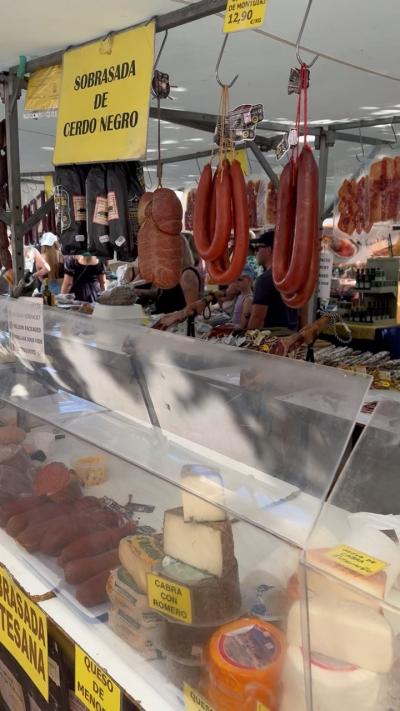
Few notice the fragrant aroma of sobrassada curing slowly in the cellars beneath Inca until it’s time to plate it up. This island-cured sausage, made from spiced pork, is a staple ingredient in many local dishes here and a proud hallmark of Mallorca’s culinary heritage. Cellar restaurants around Inca often feature sobrassada alongside other traditional ingredients that celebrate the island’s rural roots.
Another essential component is the classic pa amb oli—rustic bread rubbed with ripe tomato and drizzled with local olive oil, sometimes topped with cheese or ham. Vegetables like tumbet, a layered baked medley of aubergine, peppers, and potatoes, frequently appear, highlighting simple yet flavorful produce rooted in this fertile area. Inca’s nearby farms supply fresh ingredients such as artisan cheeses and locally grown vegetables that bring authenticity to cellar plates.
Wines from the nearby Binissalem region often accompany these dishes, their dry, fruity notes balancing the rich flavors of cured meats and vegetable stews. Cellar restaurants also commonly serve a glass of Hierbas or Palo, herbal liqueurs that are perfect digestifs with the meal. Exploring Inca’s cellar dining uncovers a genuine connection to Mallorca’s traditions, where local ingredients tell stories of land, craft, and time-honored recipes.
Another essential component is the classic pa amb oli—rustic bread rubbed with ripe tomato and drizzled with local olive oil, sometimes topped with cheese or ham. Vegetables like tumbet, a layered baked medley of aubergine, peppers, and potatoes, frequently appear, highlighting simple yet flavorful produce rooted in this fertile area. Inca’s nearby farms supply fresh ingredients such as artisan cheeses and locally grown vegetables that bring authenticity to cellar plates.
Wines from the nearby Binissalem region often accompany these dishes, their dry, fruity notes balancing the rich flavors of cured meats and vegetable stews. Cellar restaurants also commonly serve a glass of Hierbas or Palo, herbal liqueurs that are perfect digestifs with the meal. Exploring Inca’s cellar dining uncovers a genuine connection to Mallorca’s traditions, where local ingredients tell stories of land, craft, and time-honored recipes.
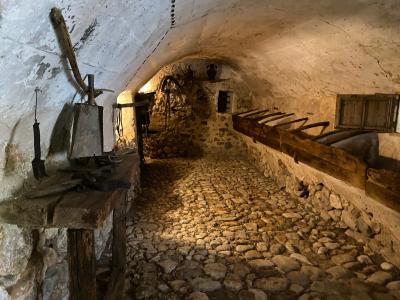
Bunyola
More Fotos





Related Questions
Related Question
What is the history behind the tram line connecting Sóller and Port de Sóller?
Related Question
Are there any cooking classes that cater to families wanting to learn about Mallorcan dishes?
Related Question
What is the best time of year to visit Sant Elm for pleasant weather and fewer crowds?