How does traditional Mallorcan pottery differ from pottery in other regions of Spain?
Similar Topics
Mallorcan pottery
Spanish ceramics
traditional pottery
Mediterranean colors
rustic charm
artisan craftsmanship
local traditions
culinary pottery
decorative ceramics
cultural identity
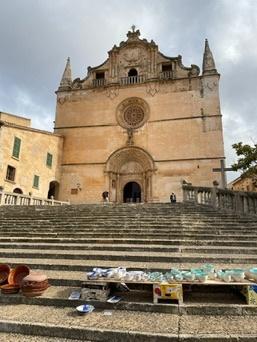
Traditional Mallorcan pottery stands out for its vibrant colors and unique designs, which are deeply influenced by the island’s rich history and natural surroundings. Unlike pottery from other regions of Spain, which often reflects local customs and materials, Mallorcan ceramics are known for their distinctive use of earth tones and bright blues, greens, and yellows that evoke the colors of the Mediterranean. This pottery often showcases intricate patterns inspired by the island's flora and fauna, as well as Moorish and Christian influences that have shaped its artistic heritage. The craftsmanship involved emphasizes not only aesthetic appeal but also functionality, with many pieces designed for everyday use.
In contrast to ceramics from regions like Andalusia or Valencia, which may focus on more intricate glazes and techniques inspired by Islamic art, Mallorcan pottery tends to favor a simpler, rustic charm. While other Spanish pottery styles may highlight elaborate detailing and the use of vivid glazes, Mallorcan artisans often employ a technique called "esmalt," which gives the pottery a matte finish that's both practical and visually appealing. Additionally, the island’s traditional pottery often features utilitarian forms, such as bowls, plates, and jugs, that celebrate the communal and culinary aspects of Mallorcan life, making them an integral part of local culture.
Another notable aspect of Mallorcan pottery is its connection to local traditions and festivities. Many artisans still practice age-old techniques passed down through generations, and you can find pottery that serves specific roles in traditional events, from serving dishes for local dishes like "tumbet" to decorative pieces used during celebrations. This communal spirit is less prevalent in other regions where pottery may be more focused on artistic expression or commercial production. Overall, the charm of Mallorcan pottery lies in its ability to blend practicality with artistic expression, making it a cherished part of Mallorca's cultural identity.
In contrast to ceramics from regions like Andalusia or Valencia, which may focus on more intricate glazes and techniques inspired by Islamic art, Mallorcan pottery tends to favor a simpler, rustic charm. While other Spanish pottery styles may highlight elaborate detailing and the use of vivid glazes, Mallorcan artisans often employ a technique called "esmalt," which gives the pottery a matte finish that's both practical and visually appealing. Additionally, the island’s traditional pottery often features utilitarian forms, such as bowls, plates, and jugs, that celebrate the communal and culinary aspects of Mallorcan life, making them an integral part of local culture.
Another notable aspect of Mallorcan pottery is its connection to local traditions and festivities. Many artisans still practice age-old techniques passed down through generations, and you can find pottery that serves specific roles in traditional events, from serving dishes for local dishes like "tumbet" to decorative pieces used during celebrations. This communal spirit is less prevalent in other regions where pottery may be more focused on artistic expression or commercial production. Overall, the charm of Mallorcan pottery lies in its ability to blend practicality with artistic expression, making it a cherished part of Mallorca's cultural identity.
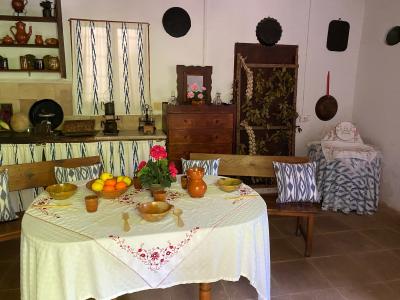
Bunyola
More Fotos