What local safety tips should I keep in mind when hiking in the Serra de Tramuntana?
Similar Topics
serra de tramuntana
hiking safety
marked trails
valldemossa hike
deia to soller
layered clothing
island wildlife
water for hiking
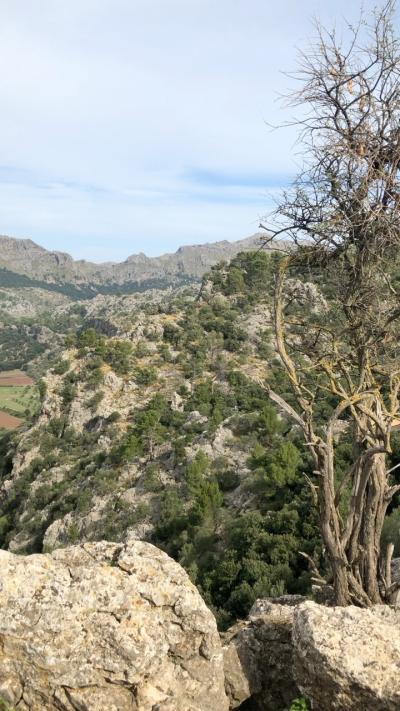
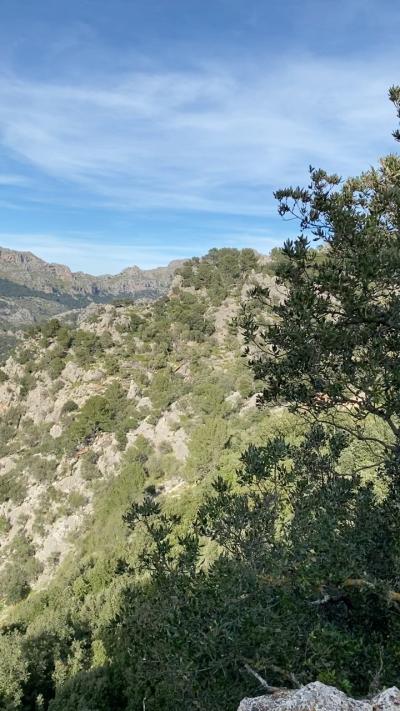
The faint sound of church bells from a distant village often signals you’re near a well-trodden path in the Serra de Tramuntana, where hiking can be rewarding but requires a thoughtful approach. Stick to clearly marked trails, such as the route between Valldemossa and Deia, which not only showcases spectacular coastal views but also reduces any risk of losing your way. Maps are essential, yet many hikers also find the traditional stone cairns and signposts handy guides, especially where mobile signal fades away.
Weather on the island’s northwest mountain range can shift unpredictably, turning a sunlit morning into a brisk, misty afternoon. Dressing in layers is prudent, and early starts help avoid midday heat and give plenty of daylight for the return leg. Water is precious here—carry enough for extended hikes, as taps along the way are rare. Informing someone in Palma or your accommodation about your hiking route and timing is wise practice, as isolated stretches between Sóller and Fornalutx can be quiet.
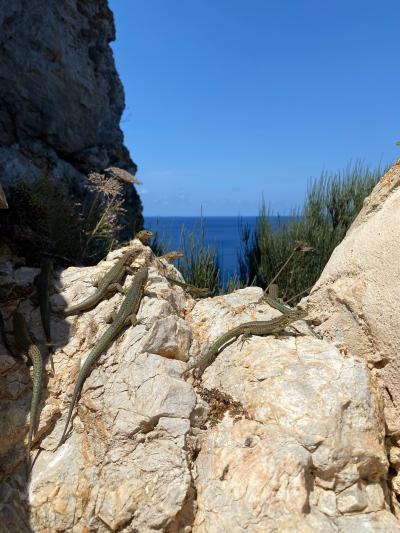
The Tramuntana is home to diverse flora and fauna, including cautious wild goats and colorful butterflies native to the Mediterranean. Resist tempting wildlife with food, and respect their space to keep encounters safe for both parties. Watch out for prickly cacti in the scrub and take care not to disturb protected plants, especially when venturing near remote coves such as Cala Deià or working terraces. By blending preparation with respect for this rugged landscape, your hike promises both safety and unforgettable vistas.
Weather on the island’s northwest mountain range can shift unpredictably, turning a sunlit morning into a brisk, misty afternoon. Dressing in layers is prudent, and early starts help avoid midday heat and give plenty of daylight for the return leg. Water is precious here—carry enough for extended hikes, as taps along the way are rare. Informing someone in Palma or your accommodation about your hiking route and timing is wise practice, as isolated stretches between Sóller and Fornalutx can be quiet.
The Tramuntana is home to diverse flora and fauna, including cautious wild goats and colorful butterflies native to the Mediterranean. Resist tempting wildlife with food, and respect their space to keep encounters safe for both parties. Watch out for prickly cacti in the scrub and take care not to disturb protected plants, especially when venturing near remote coves such as Cala Deià or working terraces. By blending preparation with respect for this rugged landscape, your hike promises both safety and unforgettable vistas.

Sa Calobra
More Fotos



Related Questions
Related Question
How long have the walking routes in Serra de Tramuntana been used by locals and visitors?
Related Question
How do boat party experiences differ around Mallorca's coast?
Related Question
Is the Ma-10 road around the Serra de Tramuntana suitable for cycling, or are there better bike routes on the island?