What are the best ways to introduce children to Mallorcan traditions and culture?
Similar Topics
local traditions
family festivals
folk dance mallorca
artisan markets
sobrassada
ensaimada
binissalem wine
serra de tramuntana
Connecting children with the island’s heritage comes easiest through its lively festivals and village celebrations, where music, dance, and food bring centuries-old traditions to life. Events like the Nit de Foc in Palma or the Festa de l'Ametler in Almudaina offer colorful spectacles and family-friendly activities, creating memorable experiences that make local customs tangible and fun. These festivals often feature folk dances and artisan stalls, immersing kids in the rhythms and crafts of the area.
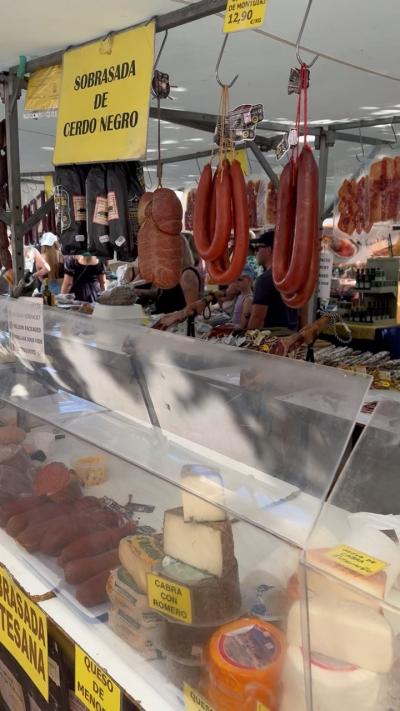
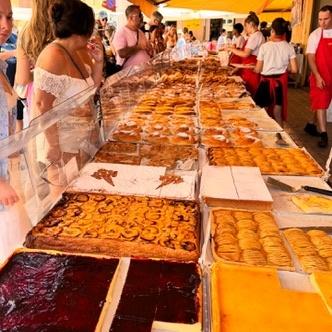
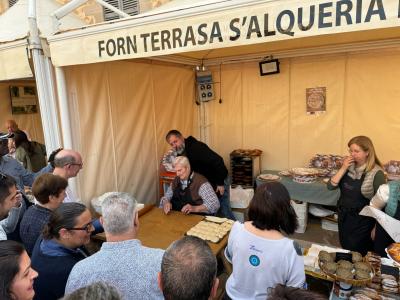
Markets across towns like Soller and Pollenca also provide an authentic glimpse into everyday Mallorcan culture. Here, children can see producers selling sobrassada, fresh ensaimadas, and local Binissalem wines, while artisans demonstrate traditional crafts. Some markets even host workshops where families can learn to make pa amb oli or try their hand at pottery, which adds a hands-on dimension to cultural learning.
For a quieter but equally enriching experience, seek out music or dance workshops in villages along the Serra de Tramuntana or near Palma, often run by locals keen to pass on their heritage. Take advantage of guided walks or tours from local experts who weave in stories about the island’s customs, from the history of the Ma-10 road to the significance of Hierbas liqueur. These personal narratives offer children a meaningful way to understand the spirit of the community beyond the usual sightseeing.
Markets across towns like Soller and Pollenca also provide an authentic glimpse into everyday Mallorcan culture. Here, children can see producers selling sobrassada, fresh ensaimadas, and local Binissalem wines, while artisans demonstrate traditional crafts. Some markets even host workshops where families can learn to make pa amb oli or try their hand at pottery, which adds a hands-on dimension to cultural learning.
For a quieter but equally enriching experience, seek out music or dance workshops in villages along the Serra de Tramuntana or near Palma, often run by locals keen to pass on their heritage. Take advantage of guided walks or tours from local experts who weave in stories about the island’s customs, from the history of the Ma-10 road to the significance of Hierbas liqueur. These personal narratives offer children a meaningful way to understand the spirit of the community beyond the usual sightseeing.
Santanyí
More Fotos