How did the agricultural landscape of Mallorca change as a result?
Similar Topics
Mallorca agriculture
sustainable farming Mallorca
Mallorca tourism impact
traditional farming methods
agritourism Mallorca
local produce Mallorca
organic farming Mallorca
farmers markets Mallorca
Mallorca rural landscape
olive oil tasting Mallorca
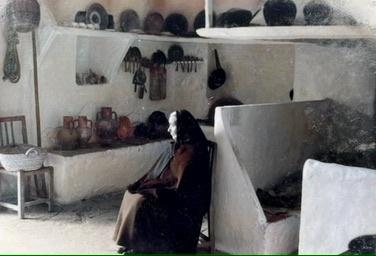
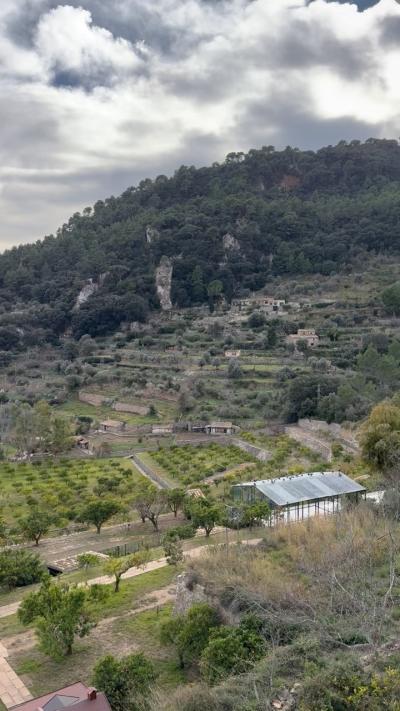
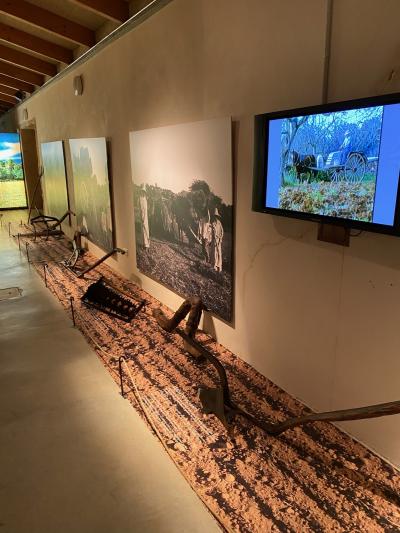
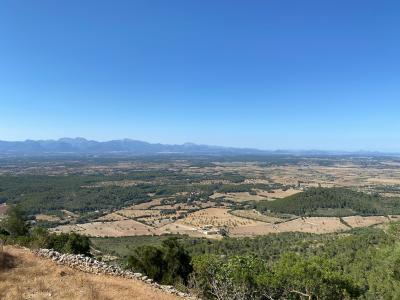
The agricultural landscape of Mallorca has undergone significant transformations over the years, influenced by various factors including economic shifts, tourism growth, and environmental changes. Traditionally, the island was characterized by small-scale farming, where local farmers cultivated crops like olives, almonds, and grapes, often using traditional methods passed down through generations. The terraced fields, known as "marjades," showcased a beautiful patchwork of green and brown, contributing to the island's picturesque charm. However, as tourism flourished in the late 20th century, many agricultural lands were converted into hotels and residential areas, leading to a decline in traditional farming practices.
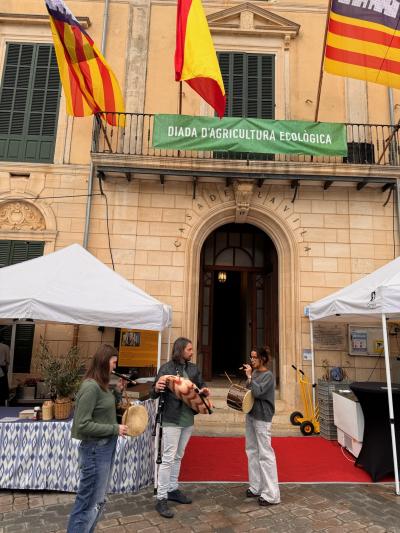
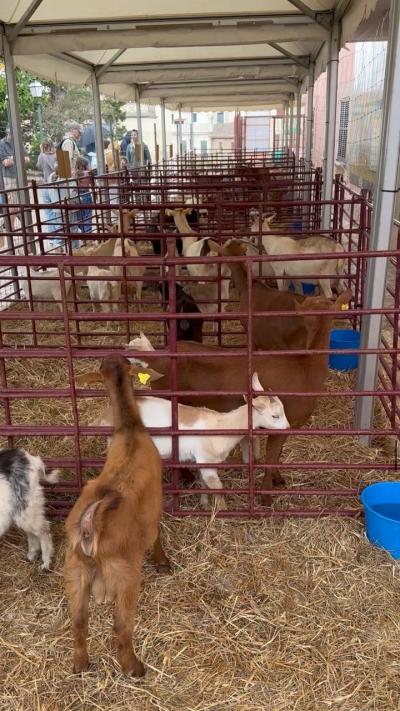
In recent years, there has been a renewed interest in sustainable agriculture, driven by both locals and eco-conscious visitors. This resurgence is reflected in the promotion of organic farming and the cultivation of native crops, which not only preserves the island’s agricultural heritage but also enhances the quality of the food produced. Farmers' markets are becoming increasingly popular, showcasing local produce and allowing visitors to experience authentic Mallorcan flavors. This shift not only benefits the environment but also supports the local economy and fosters a deeper connection between residents and tourists.
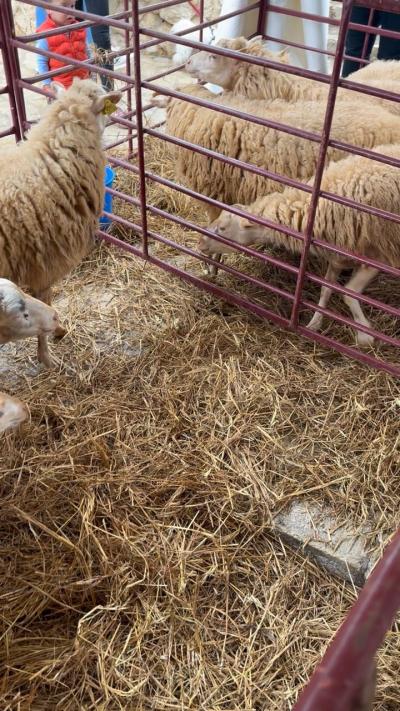
Additionally, initiatives to maintain the island's rural landscape have gained traction, with programs aimed at preserving the iconic dry-stone walls and traditional farming techniques. The emphasis on agritourism has also allowed visitors to engage with the land directly, through activities like olive oil tastings, vineyard tours, and workshops on traditional farming methods. These experiences not only provide a glimpse into Mallorca's agricultural heritage but also highlight the importance of protecting the island's natural resources for future generations. As a result, while the agricultural landscape has changed, it continues to evolve in ways that honor its past while embracing a sustainable future.
In recent years, there has been a renewed interest in sustainable agriculture, driven by both locals and eco-conscious visitors. This resurgence is reflected in the promotion of organic farming and the cultivation of native crops, which not only preserves the island’s agricultural heritage but also enhances the quality of the food produced. Farmers' markets are becoming increasingly popular, showcasing local produce and allowing visitors to experience authentic Mallorcan flavors. This shift not only benefits the environment but also supports the local economy and fosters a deeper connection between residents and tourists.
Additionally, initiatives to maintain the island's rural landscape have gained traction, with programs aimed at preserving the iconic dry-stone walls and traditional farming techniques. The emphasis on agritourism has also allowed visitors to engage with the land directly, through activities like olive oil tastings, vineyard tours, and workshops on traditional farming methods. These experiences not only provide a glimpse into Mallorca's agricultural heritage but also highlight the importance of protecting the island's natural resources for future generations. As a result, while the agricultural landscape has changed, it continues to evolve in ways that honor its past while embracing a sustainable future.
More Fotos