What is the history behind the Museu de Pollença?
- Museu de Pollença
- Pollença history
- Mallorca museums
- Artistic heritage Mallorca
- Talaiotic period
- Contemporary art Mallorca
- Cultural hub Pollença
- Spanish art scene
- Archaeological artifacts Mallorca
- Pollença cultural life
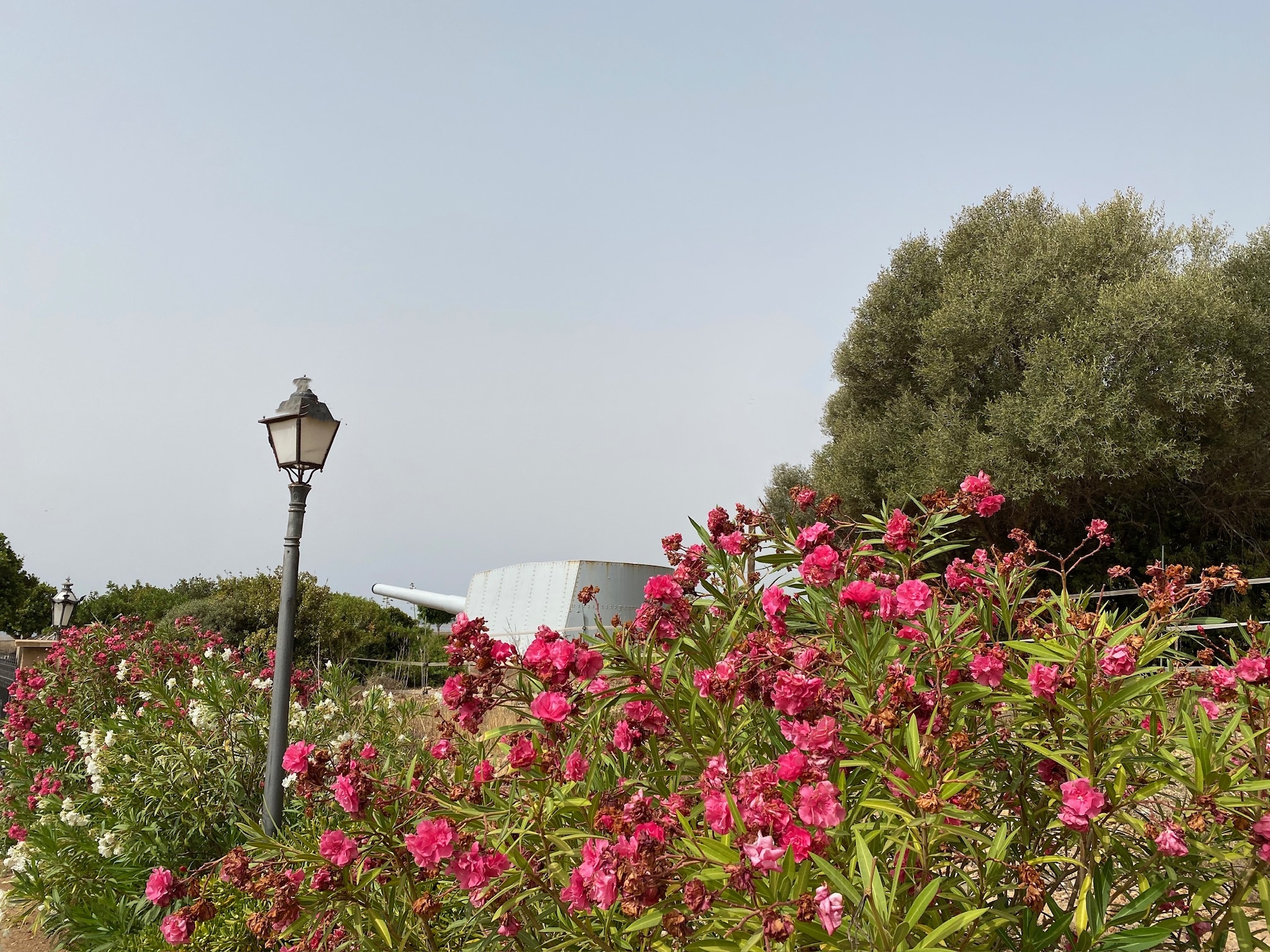
The Museu de Pollença, located in the charming town of Pollença on the island of Mallorca, has a rich history that reflects the cultural evolution of the region. Established in 1972, the museum is housed in the former convent of Santo Domingo, a beautiful 16th-century building that adds to its historical significance. The convent itself has served various purposes over the centuries, transitioning from a religious site to a cultural hub. The museum was created to preserve and showcase the artistic heritage of Pollença and its surrounding areas, highlighting the town's importance as a center of art and culture.
The museum's collections feature an array of archaeological artifacts, paintings, and sculptures, many of which date back to prehistoric times. Notably, it includes items from the Talaiotic period, a testament to the ancient civilizations that once inhabited the Balearic Islands. In addition to its archaeological treasures, the Museu de Pollença is also recognized for its fine art collection, which includes works by local artists and important figures from the Spanish art scene. A particularly striking aspect of the museum is its commitment to contemporary art, hosting temporary exhibitions that often feature innovative works by both established and emerging artists.
Visitors to the Museu de Pollença not only gain insight into the historical and artistic lineage of the area but also enjoy the tranquil atmosphere of the convent's cloisters and gardens. The museum fosters a sense of community engagement through various educational programs and workshops, making it a vibrant part of Pollença's cultural life. As you explore the museum, you’ll find that it beautifully encapsulates the town's artistic spirit while inviting you to reflect on its historical roots, making it a must-visit destination for anyone interested in the rich tapestry of Mallorca's heritage.