What is the history behind almond cultivation in Mallorca?
Similar Topics
almond cultivation
Mallorca history
Mediterranean agriculture
Mallorcan cuisine
sustainable farming
heritage varieties
almond orchards
cultural identity
gató d'ametlla
agricultural landscape
Almond cultivation in Mallorca has a rich history that dates back centuries, intertwined with the island's agricultural practices and cultural identity. The arrival of almonds in Mallorca is believed to have originated with the Phoenicians around 1,000 BC, who introduced various crops to the island, including almonds. The warm Mediterranean climate and fertile soil of Mallorca proved to be ideal for these trees, allowing them to flourish and become a significant part of the local landscape. Over the years, almond cultivation evolved, and by the Middle Ages, it had become a staple of the island's economy, particularly in rural areas.
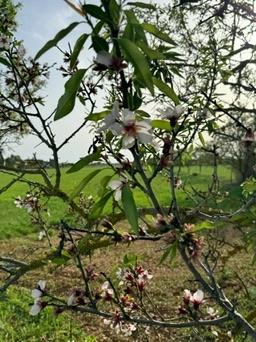
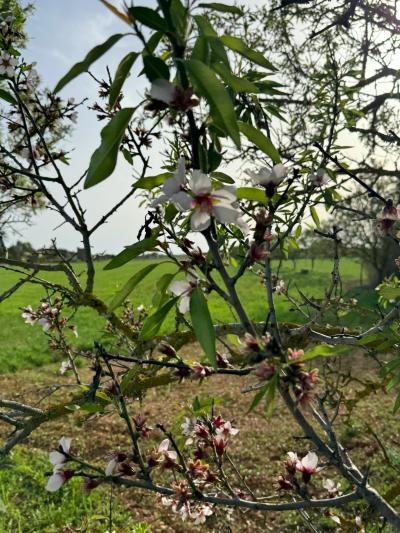
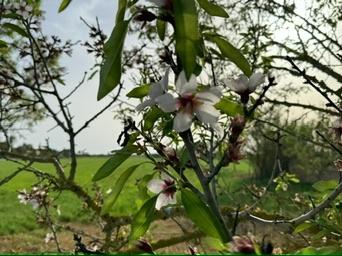
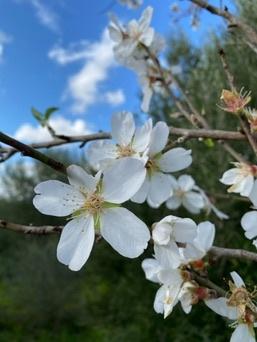
During the 19th century, almond farming gained further prominence as European demand for almonds grew. Mallorcan farmers increasingly recognized the potential of this crop, leading to a surge in almond orchards across the island. The iconic white blossoms of almond trees in February and March transformed the countryside into a breathtaking sea of flowers, attracting visitors and inspiring local artists. Moreover, almonds became an integral ingredient in Mallorcan cuisine, featuring in traditional dishes like "gató d'ametlla," a delicious almond cake, as well as in various sweets and pastries.
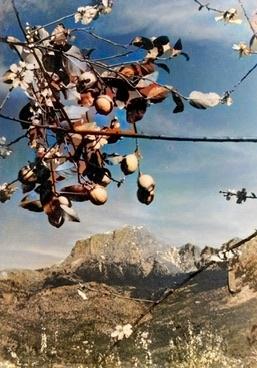
In recent years, interest in almond cultivation has experienced a revival as part of a broader trend towards sustainable and organic farming practices. Many local farmers are now focusing on heritage varieties of almonds that are not only better suited to the local climate but also offer unique flavors and textures. This renewed emphasis on traditional methods aims to preserve both the agricultural landscape and the cultural heritage associated with almond farming in Mallorca. As you explore the island, you'll notice almond trees dotting the hillsides, serving as a reminder of this enduring agricultural tradition that continues to shape Mallorca's identity.
During the 19th century, almond farming gained further prominence as European demand for almonds grew. Mallorcan farmers increasingly recognized the potential of this crop, leading to a surge in almond orchards across the island. The iconic white blossoms of almond trees in February and March transformed the countryside into a breathtaking sea of flowers, attracting visitors and inspiring local artists. Moreover, almonds became an integral ingredient in Mallorcan cuisine, featuring in traditional dishes like "gató d'ametlla," a delicious almond cake, as well as in various sweets and pastries.
In recent years, interest in almond cultivation has experienced a revival as part of a broader trend towards sustainable and organic farming practices. Many local farmers are now focusing on heritage varieties of almonds that are not only better suited to the local climate but also offer unique flavors and textures. This renewed emphasis on traditional methods aims to preserve both the agricultural landscape and the cultural heritage associated with almond farming in Mallorca. As you explore the island, you'll notice almond trees dotting the hillsides, serving as a reminder of this enduring agricultural tradition that continues to shape Mallorca's identity.
Santanyí
More Fotos