Are there specific wildlife species that rely heavily on olives as a food source?
Similar Topics
wildlife species
olive trees
Mediterranean regions
Eurasian Collared-Dove
seed dispersal
Eurasian Badger
olive fruit fly
olive groves
Spain travel
Greece tourism
Olive trees are not only significant for their agricultural value but also for the diverse wildlife that depends on them. In Mediterranean regions, where olives thrive, various species have adapted to the presence of these trees, often relying on them as a vital food source. Birds, in particular, are drawn to olives; species such as the Eurasian Collared-Dove and various finches feed on the fruit, especially when it is ripe and abundant. These birds play an essential role in seed dispersal, aiding in the propagation of olive trees across the landscape.
In addition to birds, mammals like the Eurasian Badger and various rodents also consume olives when they are available. The fruits provide a rich source of energy, especially during the colder months when other food sources may be scarce. Additionally, certain insects, including the olive fruit fly, are closely associated with olive trees, feeding on the fruit and contributing to the complex ecosystem surrounding these ancient trees. The interdependence of these species with olive trees highlights the trees' ecological importance, making them a key component of the Mediterranean biodiversity.
When visiting regions known for their olive groves, such as parts of Spain, Greece, or Italy, you may have the opportunity to observe this fascinating relationship between wildlife and nature. As you stroll through the groves, keep an eye out for the various birds flitting about and listen for their calls, which add a melodic background to the serene olive landscapes. This connection between wildlife and olives not only enriches the environment but also enhances the cultural and culinary experiences of these beautiful destinations.
In addition to birds, mammals like the Eurasian Badger and various rodents also consume olives when they are available. The fruits provide a rich source of energy, especially during the colder months when other food sources may be scarce. Additionally, certain insects, including the olive fruit fly, are closely associated with olive trees, feeding on the fruit and contributing to the complex ecosystem surrounding these ancient trees. The interdependence of these species with olive trees highlights the trees' ecological importance, making them a key component of the Mediterranean biodiversity.
When visiting regions known for their olive groves, such as parts of Spain, Greece, or Italy, you may have the opportunity to observe this fascinating relationship between wildlife and nature. As you stroll through the groves, keep an eye out for the various birds flitting about and listen for their calls, which add a melodic background to the serene olive landscapes. This connection between wildlife and olives not only enriches the environment but also enhances the cultural and culinary experiences of these beautiful destinations.
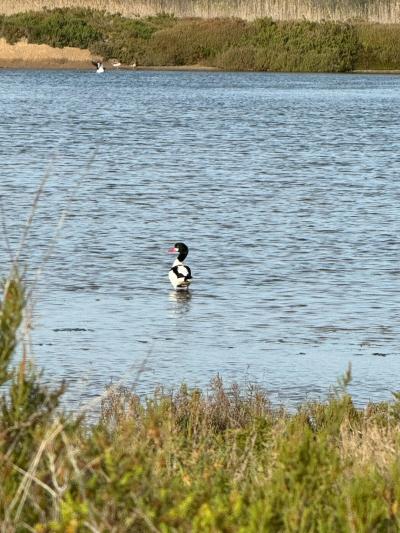
ses Covetes
More Fotos