What role did the Arab Baths play in the community during the Moorish period?
Similar Topics
Arab Baths
Moorish period
hammams
social hubs
cultural significance
communal life
architecture of baths
bathing rituals
community relationships
historical significance
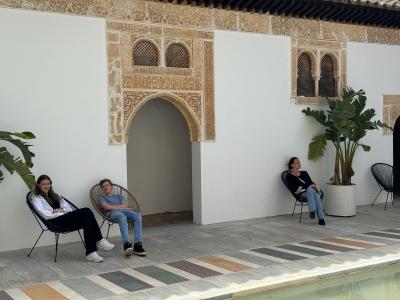
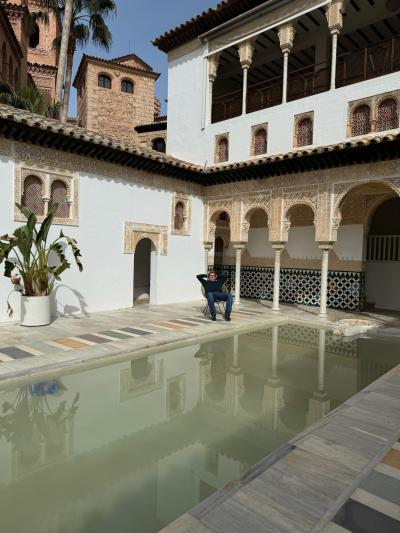
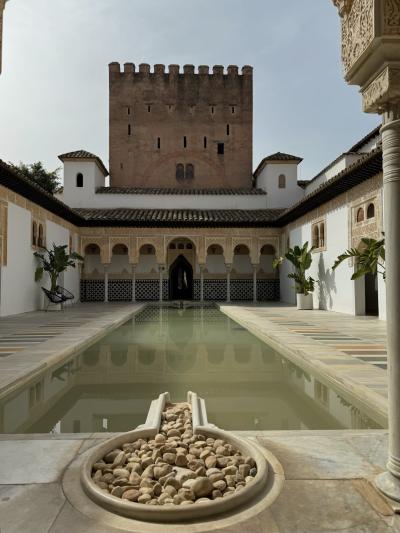
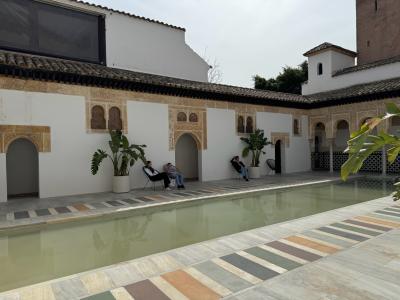
During the Moorish period, the Arab Baths, or hammams, served as vital social and cultural hubs within the community. These baths were not merely places for cleansing the body; they were integral to daily life, offering a space where people gathered to relax, socialize, and connect with one another. The bathing rituals were deeply embedded in the customs of the time, emphasizing both physical cleanliness and a sense of spiritual renewal. The architecture of these baths, often adorned with intricate tile work and soothing ambient lighting, created an inviting atmosphere where individuals could escape the hustle and bustle of daily life.
Beyond personal hygiene, the Arab Baths played a significant role in fostering community relationships. They were often venues for important discussions and exchanges of news, with patrons engaging in conversations about local events, politics, and personal matters. This communal aspect of the baths helped strengthen social ties among residents, regardless of their social status. Furthermore, the baths often included areas for relaxation and even spaces for entertainment, such as poetry readings or musical performances, making them a cornerstone of cultural life in Moorish society.
In essence, the Arab Baths were not just functional spaces; they represented a unique blend of health, culture, and community spirit. The traditions and social practices that flourished in these baths contributed to a vibrant social fabric that defined the Moorish period, reflecting the values of hospitality, cleanliness, and communal life. Even today, the remnants of these beautiful baths remind us of their historical significance and the role they played in shaping the cultural landscape of the time.
Beyond personal hygiene, the Arab Baths played a significant role in fostering community relationships. They were often venues for important discussions and exchanges of news, with patrons engaging in conversations about local events, politics, and personal matters. This communal aspect of the baths helped strengthen social ties among residents, regardless of their social status. Furthermore, the baths often included areas for relaxation and even spaces for entertainment, such as poetry readings or musical performances, making them a cornerstone of cultural life in Moorish society.
In essence, the Arab Baths were not just functional spaces; they represented a unique blend of health, culture, and community spirit. The traditions and social practices that flourished in these baths contributed to a vibrant social fabric that defined the Moorish period, reflecting the values of hospitality, cleanliness, and communal life. Even today, the remnants of these beautiful baths remind us of their historical significance and the role they played in shaping the cultural landscape of the time.
More Fotos