What influence did different cultures have on Mallorca's development?
Similar Topics
Mallorca history
Talaiotic culture
Phoenician influence
Roman architecture
Moorish period
Palma Cathedral
Catalan culture
Mallorca cuisine
cultural heritage Mallorca
Mallorca tourism
Mallorca's development has been significantly shaped by the various cultures that have inhabited the island throughout its history. The earliest influences can be traced back to the Talaiotic culture, which left behind impressive stone structures, such as the famous talaiots and navetes. These prehistoric sites highlight the island's early inhabitants' architectural and agricultural prowess. Later, the Phoenicians arrived, establishing trade routes and introducing new agricultural practices, which laid the foundation for Mallorca's economy. Their legacy is still evident in place names and the island's thriving agricultural sectors, particularly in olive oil and wine production.
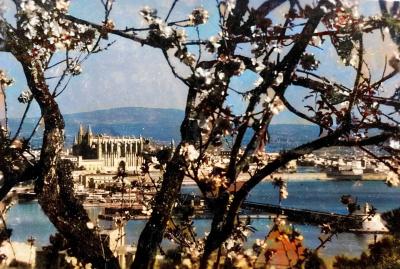
The Roman conquest in 123 BC marked a turning point for Mallorca, as they brought their language, infrastructure, and urban planning skills. The island became an important part of the Roman Empire, and remnants of their influence can still be seen in the ruins of ancient towns like Pollentia. Following the fall of the Roman Empire, Mallorca was ruled by the Moors, who introduced advanced irrigation techniques and a rich cultural tapestry that blended art, architecture, and science. The stunning architecture of the Palma Cathedral, with its Gothic style influenced by Moorish design, is a testament to this era. The Moorish period also fostered a thriving trade economy and the introduction of citrus fruits, which have become synonymous with the island.
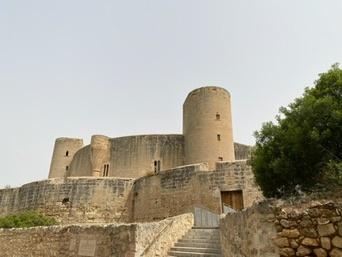
After the Christian Reconquista in the 13th century, Mallorca experienced a new wave of cultural influences, particularly from Catalonia, as it became part of the Crown of Aragon. This led to the establishment of a vibrant Catalan-speaking community and the construction of significant landmarks, such as the Bellver Castle. The fusion of these diverse cultures contributed to Mallorca's unique identity, evident in its language, cuisine, and traditions. Today, visitors can experience this rich cultural heritage through festivals, local markets, and the island's culinary delights, which reflect the historical interplay of various influences that have shaped Mallorca into the enchanting destination it is today.
The Roman conquest in 123 BC marked a turning point for Mallorca, as they brought their language, infrastructure, and urban planning skills. The island became an important part of the Roman Empire, and remnants of their influence can still be seen in the ruins of ancient towns like Pollentia. Following the fall of the Roman Empire, Mallorca was ruled by the Moors, who introduced advanced irrigation techniques and a rich cultural tapestry that blended art, architecture, and science. The stunning architecture of the Palma Cathedral, with its Gothic style influenced by Moorish design, is a testament to this era. The Moorish period also fostered a thriving trade economy and the introduction of citrus fruits, which have become synonymous with the island.
After the Christian Reconquista in the 13th century, Mallorca experienced a new wave of cultural influences, particularly from Catalonia, as it became part of the Crown of Aragon. This led to the establishment of a vibrant Catalan-speaking community and the construction of significant landmarks, such as the Bellver Castle. The fusion of these diverse cultures contributed to Mallorca's unique identity, evident in its language, cuisine, and traditions. Today, visitors can experience this rich cultural heritage through festivals, local markets, and the island's culinary delights, which reflect the historical interplay of various influences that have shaped Mallorca into the enchanting destination it is today.

More Fotos