How do the different languages reflect Mallorca's cultural identity?
Similar Topics
Mallorca cultural identity
Mallorquí language
Catalan in Mallorca
Spanish in Mallorca
Mallorca travel
Mallorca festivals
Mallorca traditions
linguistic diversity Mallorca
Mallorca heritage
Mallorca local culture
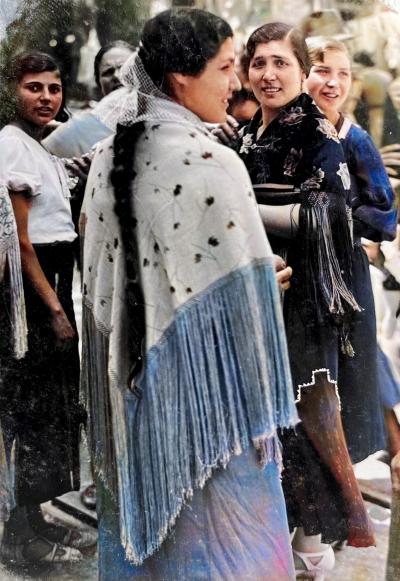
Mallorca, an enchanting island in the Mediterranean, boasts a rich tapestry of cultural identity that is intricately woven with its linguistic diversity. The primary languages spoken here are Spanish and Catalan, with the local variant known as Mallorquí. This linguistic distinction is not merely a matter of communication; it serves as a profound reflection of the island's historical influences and regional pride. The use of Catalan, alongside Spanish, highlights Mallorca's connection to the broader Catalan-speaking regions, reinforcing a sense of community and shared heritage that resonates deeply with its residents.
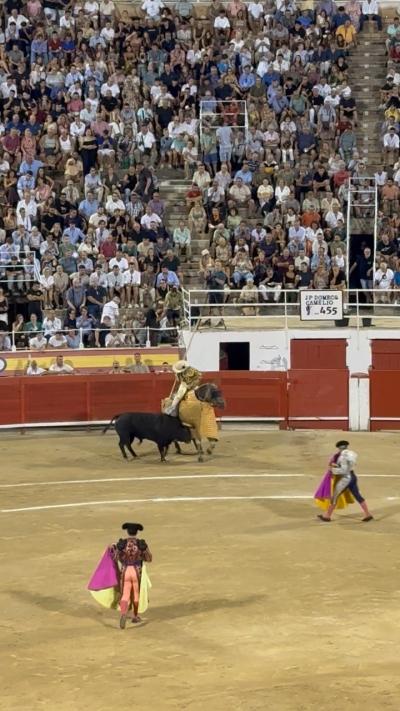
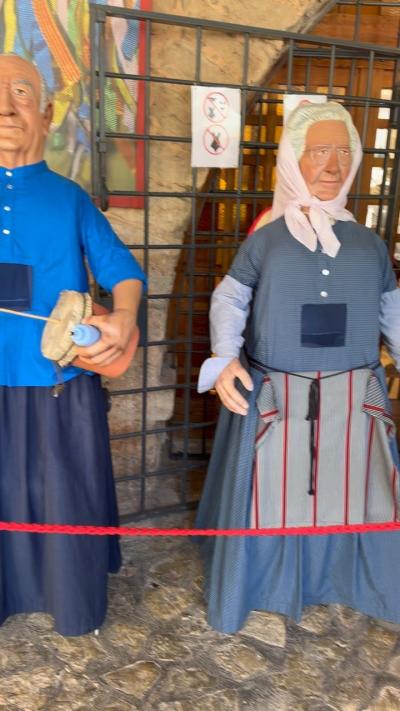
The presence of these languages in everyday life is evident in local signage, literature, music, and even in culinary practices, where traditional recipes are often passed down through generations in their native tongue. Festivals and cultural events frequently feature performances in both languages, showcasing the island's artistic expressions and reinforcing the pride locals take in their dialects. Moreover, the preservation of Mallorquí is a testament to the islanders’ dedication to maintaining their unique identity amidst the influences of modern globalization.
Visitors to Mallorca will find that engaging with the local language can enrich their experience, offering deeper insights into the island's customs and traditions. Speaking a few words in Mallorquí or Spanish can foster goodwill and connection with the residents, who often appreciate the effort made to embrace their culture. Ultimately, the languages of Mallorca do more than facilitate communication; they embody a living narrative of the island's past and present, inviting travelers to explore and appreciate its vibrant cultural identity.
The presence of these languages in everyday life is evident in local signage, literature, music, and even in culinary practices, where traditional recipes are often passed down through generations in their native tongue. Festivals and cultural events frequently feature performances in both languages, showcasing the island's artistic expressions and reinforcing the pride locals take in their dialects. Moreover, the preservation of Mallorquí is a testament to the islanders’ dedication to maintaining their unique identity amidst the influences of modern globalization.
Visitors to Mallorca will find that engaging with the local language can enrich their experience, offering deeper insights into the island's customs and traditions. Speaking a few words in Mallorquí or Spanish can foster goodwill and connection with the residents, who often appreciate the effort made to embrace their culture. Ultimately, the languages of Mallorca do more than facilitate communication; they embody a living narrative of the island's past and present, inviting travelers to explore and appreciate its vibrant cultural identity.
More Fotos