Are museums on the island accessible to visitors with mobility challenges?
Similar Topics
museum accessibility
mobility challenges
wheelchair access
palma museums
accessible transport
guided tours
sensory-friendly
visitor services
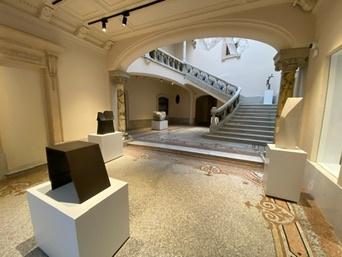
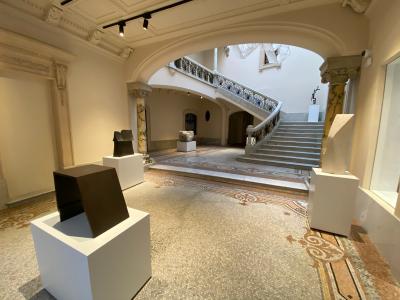
Whether you’re exploring Palma’s Museu d’Art Contemporani or the quaint Fondació Pilar i Joan Miró in Palma’s outskirts, accessibility can vary between venues. Larger institutions like the Es Baluard Museum of Modern and Contemporary Art in Palma have invested in ramps, elevators, and accessible restrooms to accommodate wheelchair users and visitors with reduced mobility. Smaller, historic museums in towns like Valldemossa or Deia may offer limited physical access due to the nature of their buildings, but many staff are proactive in helping visitors navigate uneven floors or stairs.
Public transport connections also play a part. The TIB bus network has made strides in serving key cultural spots, with low-floor buses and priority seating to ease access. The Palma metro and the charming Soller railway handle accessibility well, making it easier to reach galleries on either coast. If you require additional assistance, it’s worth contacting the museum’s visitor services ahead of your visit. They often provide wheelchair loans, can arrange guided tours tailored for guests with disabilities, and ensure staff are on hand to support you.
Events at museums occasionally offer sensory-friendly hours or quieter times, especially during festivals like Sant Sebastià in Palma. This inclusive approach helps everyone engage with exhibits at their own pace. Overall, while some older heritage sites may present challenges, the island’s museums generally strive to welcome all visitors comfortably, blending accessibility with the rich cultural experience unique to the Balearic setting.
Public transport connections also play a part. The TIB bus network has made strides in serving key cultural spots, with low-floor buses and priority seating to ease access. The Palma metro and the charming Soller railway handle accessibility well, making it easier to reach galleries on either coast. If you require additional assistance, it’s worth contacting the museum’s visitor services ahead of your visit. They often provide wheelchair loans, can arrange guided tours tailored for guests with disabilities, and ensure staff are on hand to support you.
Events at museums occasionally offer sensory-friendly hours or quieter times, especially during festivals like Sant Sebastià in Palma. This inclusive approach helps everyone engage with exhibits at their own pace. Overall, while some older heritage sites may present challenges, the island’s museums generally strive to welcome all visitors comfortably, blending accessibility with the rich cultural experience unique to the Balearic setting.
Palma
More Fotos