How do the Karst formations compare to other geological features in Mallorca?
Similar Topics
Karst formations Mallorca
Mallorca geology
Serra de Tramuntana
limestone cliffs Mallorca
Cuevas del Drach
Mallorca hiking
rugged terrain Mallorca
Mallorca biodiversity
exploring Mallorca
natural beauty Mallorca
The Karst formations in Mallorca are a striking feature of the island's diverse geological landscape, distinguished by their unique limestone structures, deep caves, and dramatic cliffs. These formations have been shaped over millions of years through the processes of erosion and dissolution, resulting in stunning natural scenery that captivates visitors. Compared to other geological features in Mallorca, such as the rolling hills and sandy beaches, the Karst landscapes offer a more rugged and adventurous terrain. The most famous of these formations can be found in the Serra de Tramuntana mountain range, where towering limestone peaks rise sharply from the surrounding plains, creating breathtaking vistas that are a delight for hikers and nature enthusiasts.
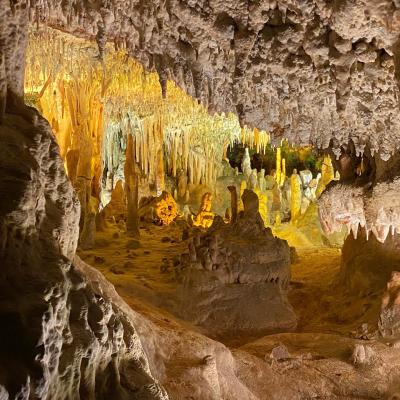
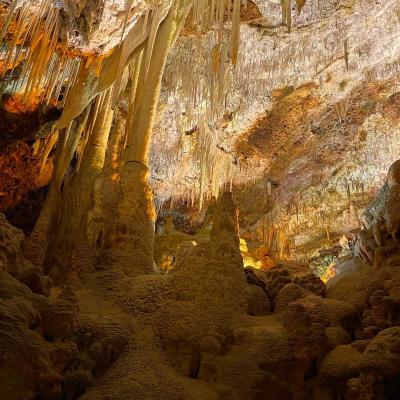
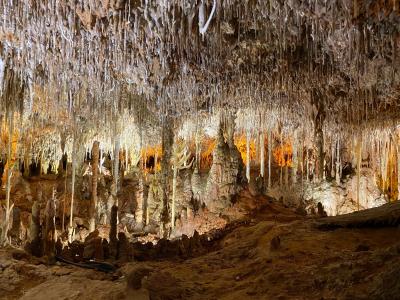
In contrast to the smooth, sandy shores along the coast, which invite relaxation and sunbathing, the Karst formations invite exploration and discovery. The interplay of light and shadow on the stone cliffs, combined with the lush vegetation that often clings to their surfaces, creates a mesmerizing environment. Additionally, the island is home to some spectacular caves, such as the Cuevas del Drach, which showcase impressive stalactites and stalagmites formed over centuries. While the beaches and coastal areas of Mallorca offer opportunities for water sports and leisure, the inland Karst landscapes provide a sense of adventure, where you can hike, rock climb, or simply soak in the natural beauty of the rugged terrain.
Moreover, the Karst formations contribute to the island's rich biodiversity, hosting unique flora and fauna that thrive in these specific environments. This diversity is not as prevalent in the coastal areas, where the ecosystem is more influenced by the sea. Thus, exploring the Karst landscapes not only offers a different aesthetic experience but also a chance to connect with Mallorca's natural heritage. Whether you’re wandering through the limestone valleys or gazing up at the towering cliffs, the Karst formations provide a stark yet beautiful contrast to the island's other geological features, making them an essential part of Mallorca's charm and allure.
In contrast to the smooth, sandy shores along the coast, which invite relaxation and sunbathing, the Karst formations invite exploration and discovery. The interplay of light and shadow on the stone cliffs, combined with the lush vegetation that often clings to their surfaces, creates a mesmerizing environment. Additionally, the island is home to some spectacular caves, such as the Cuevas del Drach, which showcase impressive stalactites and stalagmites formed over centuries. While the beaches and coastal areas of Mallorca offer opportunities for water sports and leisure, the inland Karst landscapes provide a sense of adventure, where you can hike, rock climb, or simply soak in the natural beauty of the rugged terrain.
Moreover, the Karst formations contribute to the island's rich biodiversity, hosting unique flora and fauna that thrive in these specific environments. This diversity is not as prevalent in the coastal areas, where the ecosystem is more influenced by the sea. Thus, exploring the Karst landscapes not only offers a different aesthetic experience but also a chance to connect with Mallorca's natural heritage. Whether you’re wandering through the limestone valleys or gazing up at the towering cliffs, the Karst formations provide a stark yet beautiful contrast to the island's other geological features, making them an essential part of Mallorca's charm and allure.

More Fotos