What other historical events shaped the artistic scene in Mallorca during Graves' time?
- Mallorca art scene
- Robert Graves Mallorca
- Spanish Civil War influence
- Surrealism in Mallorca
- Modernism in Mallorca
- Miquel Barceló
- Mallorca history
- Artistic freedom in Spain
- Cultural movements Mallorca
- Mallorca expatriate community
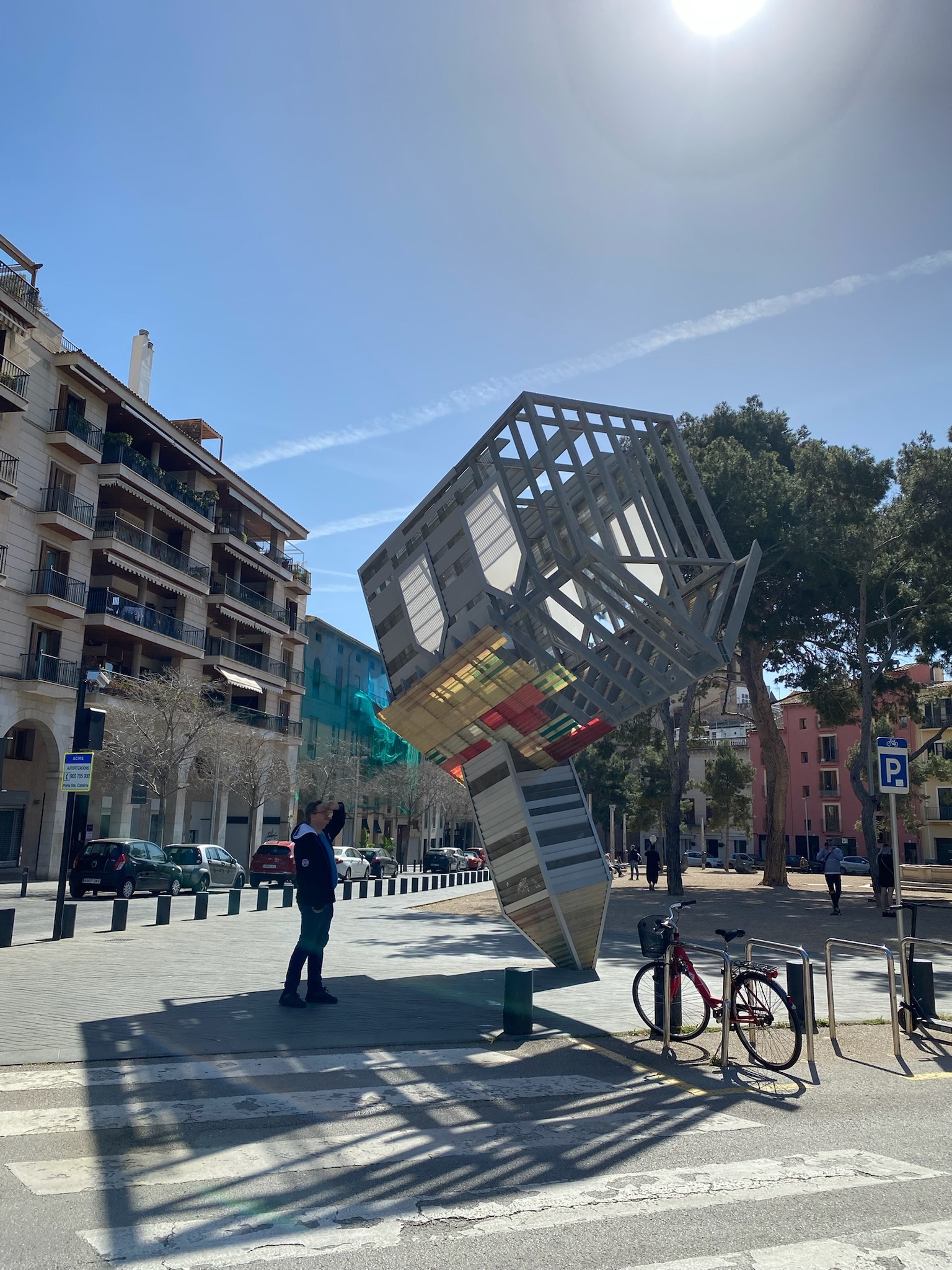
During the time of Robert Graves in the early to mid-20th century, Mallorca was influenced by a confluence of historical events that significantly shaped its artistic scene. The aftermath of the Spanish Civil War in the late 1930s cast a long shadow over Spain, including Mallorca. This period of turmoil led to a sense of introspection and a search for identity among artists. Many creatives sought refuge on the island, drawn by its natural beauty and relatively peaceful atmosphere, which fostered an environment conducive to artistic expression. The influx of expatriates, including writers and artists, helped forge an eclectic community that thrived on collaboration and innovation.
Additionally, the broader cultural movements of the time, such as Surrealism and Modernism, found a foothold in Mallorca, influencing local artists and writers. The island became a haven for those seeking to escape the constraints of traditional Spanish society. Graves himself, along with other prominent figures like the painter and poet Miquel Barceló, contributed to this vibrant scene, often blending local traditions with modernist ideas. The unique blend of history, geography, and cultural influences created a rich tapestry that continued to evolve through the decades, leaving a lasting impact on the artistic legacy of Mallorca.
Moreover, the political climate in Spain would continue to shape the arts well beyond the Civil War. The dictatorship of Franco imposed restrictions on artistic freedom, pushing many artists either into exile or into more subversive forms of expression. This tension between repression and creativity became a defining characteristic of the artistic landscape during Graves’ time. As a result, many works produced in Mallorca during this era not only reflect the beauty of the island but also a deep sense of longing for freedom and authenticity, providing an intriguing contrast to the idyllic surroundings. This interplay of historical events and artistic expression makes Mallorca a fascinating destination for those interested in the intersection of culture and history.