What unique geological features should I notice in Mallorca's rock formations?
Similar Topics
mallorca geology
serra de tramuntana
cala mondrago
cap de formentor
rock formations
sa calobra
tectonic uplift
coastal erosion
The island’s rugged landscapes are shaped by dramatic geological activity, resulting in some remarkable rock formations that tell tales of millions of years. Much of the Serra de Tramuntana range, a UNESCO World Heritage site, displays limestone cliffs sculpted by both tectonic uplift and erosion, creating jagged peaks and deep gorges like those near Sa Calobra. These towering rocks often expose striking striations revealing ancient marine sediments, a reminder that this mountain chain was once underwater.
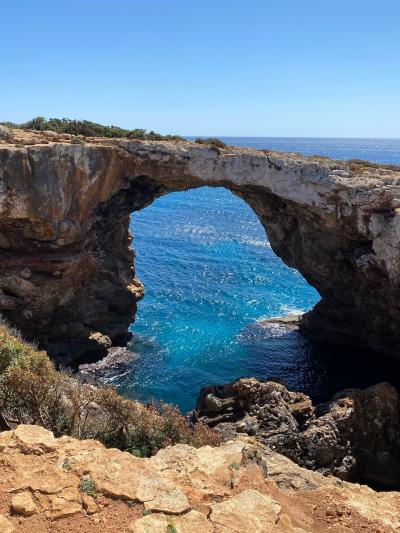
On the east coast near Cala Varques and Cala Mondrago, you’ll find coves framed by smooth, rounded rocks carved over centuries by relentless waves. The contrast between sharp ridges inland and these soft coastal formations highlights the diverse shaping forces at work. In the north, the flat-topped cliffs near Cap de Formentor are a perfect example of erosion's patience, with pillars and natural arches formed by wind and saltwater.
These geological structures also foster unique microhabitats—maquis shrubland thrives among cracks, while birds like the black vulture nest on sheer cliffs. Local folklore paints many formations with stories, such as the “Devil’s Bridge” at Sóller, adding layers of cultural heritage to their natural significance. Exploring these geological wonders goes beyond scenery; it’s a journey through the island’s ancient past and its living landscape.
On the east coast near Cala Varques and Cala Mondrago, you’ll find coves framed by smooth, rounded rocks carved over centuries by relentless waves. The contrast between sharp ridges inland and these soft coastal formations highlights the diverse shaping forces at work. In the north, the flat-topped cliffs near Cap de Formentor are a perfect example of erosion's patience, with pillars and natural arches formed by wind and saltwater.
These geological structures also foster unique microhabitats—maquis shrubland thrives among cracks, while birds like the black vulture nest on sheer cliffs. Local folklore paints many formations with stories, such as the “Devil’s Bridge” at Sóller, adding layers of cultural heritage to their natural significance. Exploring these geological wonders goes beyond scenery; it’s a journey through the island’s ancient past and its living landscape.

More Fotos