Can you tell me more about the history of piracy in Mallorca?
Similar Topics
Mallorca history
piracy in Mallorca
Balearic islands
Mediterranean piracy
Dragut raid 1550
historic sites Mallorca
Mallorca fortifications
Alcúdia history
Palma watchtowers
Maritime heritage Mallorca
Mallorca, the largest island in the Balearic archipelago, has a rich and complex history that intertwines with the tales of piracy, particularly during the late Middle Ages and the early modern period. The strategic location of Mallorca in the Mediterranean made it a prime target for pirates and privateers from various nations, including the Barbary Coast of North Africa and the Ottoman Empire. These marauders were drawn to the island not only for its wealth but also for its strategic ports, which served as vital stopovers for commerce between Europe and the East.
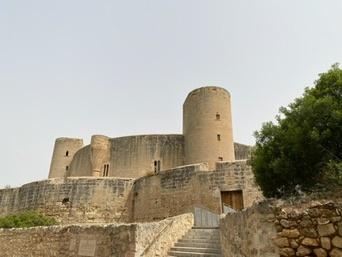
Throughout the 16th and 17th centuries, piracy became a significant concern for the inhabitants of Mallorca. The island experienced numerous raids, leading to a rising need for fortifications and defensive measures. Towns like Alcúdia and Palma constructed impressive walls and watchtowers to protect against these incursions. One of the most notable events was the infamous raid by the pirate Dragut in 1550, which resulted in the capture of hundreds of locals and the plundering of valuable resources. The threat of piracy not only shaped the island's architecture but also influenced its social and economic development, as communities banded together to defend their homes.
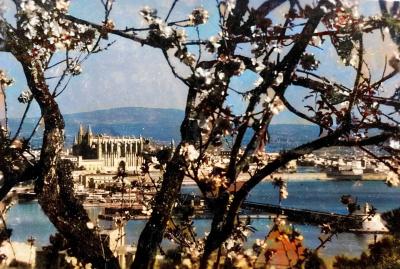
As time progressed and the naval powers of Europe began to exert more control over the Mediterranean, the era of piracy in Mallorca gradually diminished. By the 18th century, the rise of more organized naval forces and the establishment of treaties diminished the frequency of pirate attacks. However, the legacy of piracy is still celebrated in local folklore and culture, with tales of swashbuckling adventures and hidden treasure lingering in the collective memory of the island's inhabitants. Today, visitors can explore historical sites, such as ancient coastal watchtowers and museums that shed light on this fascinating chapter of Mallorca's past, providing a unique glimpse into the island's resilience and its maritime heritage.
Throughout the 16th and 17th centuries, piracy became a significant concern for the inhabitants of Mallorca. The island experienced numerous raids, leading to a rising need for fortifications and defensive measures. Towns like Alcúdia and Palma constructed impressive walls and watchtowers to protect against these incursions. One of the most notable events was the infamous raid by the pirate Dragut in 1550, which resulted in the capture of hundreds of locals and the plundering of valuable resources. The threat of piracy not only shaped the island's architecture but also influenced its social and economic development, as communities banded together to defend their homes.
As time progressed and the naval powers of Europe began to exert more control over the Mediterranean, the era of piracy in Mallorca gradually diminished. By the 18th century, the rise of more organized naval forces and the establishment of treaties diminished the frequency of pirate attacks. However, the legacy of piracy is still celebrated in local folklore and culture, with tales of swashbuckling adventures and hidden treasure lingering in the collective memory of the island's inhabitants. Today, visitors can explore historical sites, such as ancient coastal watchtowers and museums that shed light on this fascinating chapter of Mallorca's past, providing a unique glimpse into the island's resilience and its maritime heritage.

More Fotos



Related Questions
Related Question
What are some traditional Mallorcan foods featured at local festivals?
Related Question
How do building regulations on the island influence construction and preservation in towns like Palma and Valldemossa?
Related Question
What are some must-see hidden gems in Es Molinar related to its past?