What is the story behind the Tapas tradition in Spain?
Similar Topics
tapas tradition
Spanish cuisine
culinary heritage
social dining
Andalusia tapas
Basque Country pintxos
food sharing culture
tapas bars
regional specialties
communal dining experience
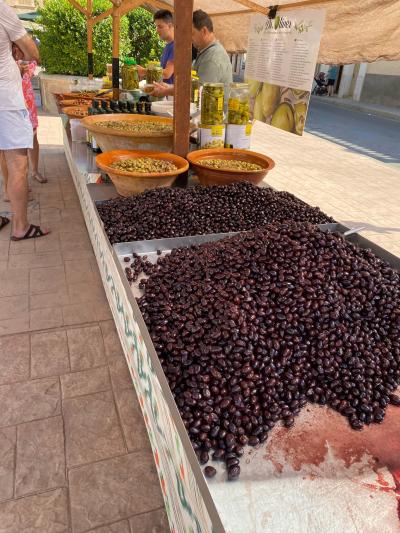
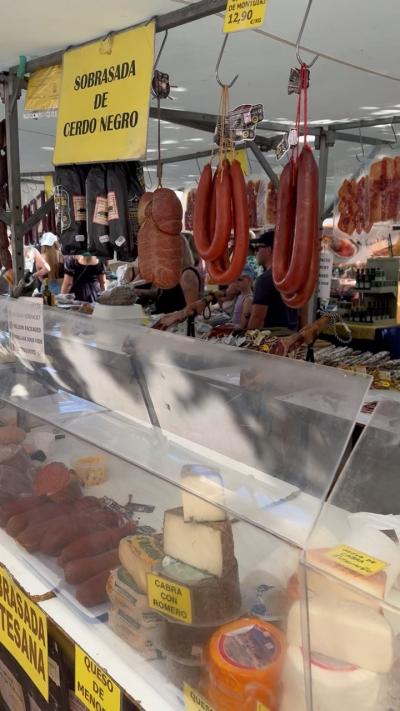
The tradition of tapas in Spain has a rich and somewhat debated history that reflects the country's diverse culinary heritage and social culture. The word "tapa" itself means "lid" or "cover" in Spanish, which is believed to have originated from the practice of covering drinks with small plates of food to keep flies away. This practical approach soon evolved into a beloved culinary tradition that encourages sharing and socializing. Tapas can range from simple olives or cheese to more elaborate dishes, and they are often enjoyed alongside a drink, making dining a leisurely and communal experience.
Historically, tapas were served in taverns and bars as complimentary snacks with drinks, allowing patrons to have something to nibble on while enjoying their beverages. Over time, the concept of tapas expanded, with different regions of Spain developing their own specialties. For example, in Andalusia, you might find seafood tapas, reflecting the coastal influences, while in the Basque Country, pintxos—small snacks typically served on a skewer—are the highlight. This regional variation adds to the allure of tapas, inviting travelers to explore local flavors and traditions.
Today, tapas have transcended their humble beginnings and are celebrated not only in Spain but around the world. They represent a lifestyle centered around enjoyment, conversation, and community, where food is meant to be shared. Visiting a tapas bar is not just about the food; it’s about the experience of gathering with friends or family, sampling various dishes, and savoring the moment. Whether you’re in a bustling city or a quiet village, indulging in tapas is a delightful way to immerse yourself in Spanish culture and its rich culinary tapestry.
Historically, tapas were served in taverns and bars as complimentary snacks with drinks, allowing patrons to have something to nibble on while enjoying their beverages. Over time, the concept of tapas expanded, with different regions of Spain developing their own specialties. For example, in Andalusia, you might find seafood tapas, reflecting the coastal influences, while in the Basque Country, pintxos—small snacks typically served on a skewer—are the highlight. This regional variation adds to the allure of tapas, inviting travelers to explore local flavors and traditions.
Today, tapas have transcended their humble beginnings and are celebrated not only in Spain but around the world. They represent a lifestyle centered around enjoyment, conversation, and community, where food is meant to be shared. Visiting a tapas bar is not just about the food; it’s about the experience of gathering with friends or family, sampling various dishes, and savoring the moment. Whether you’re in a bustling city or a quiet village, indulging in tapas is a delightful way to immerse yourself in Spanish culture and its rich culinary tapestry.
More Fotos