What seasonal trends in tourism have emerged in Mallorca after joining the EU?
Similar Topics
Mallorca tourism
EU membership impact
seasonal travel trends
off-peak travel Mallorca
cultural festivals Mallorca
gastronomic events Mallorca
outdoor activities Mallorca
wellness tourism Mallorca
low-cost airlines Mallorca
year-round destination Mallorca
Since Mallorca joined the European Union in 1986, the island has witnessed significant shifts in its tourism trends, particularly in terms of seasonality. Initially, Mallorca was predominantly a summer destination, attracting sun-seekers from various European countries. However, EU membership facilitated greater accessibility and improved infrastructure, leading to a gradual extension of the tourist season. Nowadays, the island sees visitors not only during the peak summer months but also in the shoulder seasons of spring and autumn, which are popular for their milder weather and fewer crowds.
In recent years, there has been a noticeable rise in the popularity of off-peak travel to Mallorca. Tourists are increasingly drawn to the island for its cultural festivals, gastronomic events, and outdoor activities like hiking and cycling, which are particularly enjoyable in the cooler months. This shift has encouraged local businesses to diversify their offerings, promoting activities beyond the traditional sun-and-sand experience. Additionally, the emergence of wellness tourism has further contributed to this trend, with many visitors seeking relaxation and rejuvenation in the island's serene environment during the quieter months.
Furthermore, the rise of low-cost airlines and improved connectivity has made it easier for travelers from various parts of Europe to visit Mallorca throughout the year. As a result, the island has become more inclusive, attracting a wider demographic, from families to adventure seekers. This diversification has helped stabilize the local economy, as tourism now contributes to the island’s revenue across a broader range of months. Overall, Mallorca's EU membership has not only transformed its tourism landscape but has also enriched the experiences available to visitors, making it a year-round destination.
In recent years, there has been a noticeable rise in the popularity of off-peak travel to Mallorca. Tourists are increasingly drawn to the island for its cultural festivals, gastronomic events, and outdoor activities like hiking and cycling, which are particularly enjoyable in the cooler months. This shift has encouraged local businesses to diversify their offerings, promoting activities beyond the traditional sun-and-sand experience. Additionally, the emergence of wellness tourism has further contributed to this trend, with many visitors seeking relaxation and rejuvenation in the island's serene environment during the quieter months.
Furthermore, the rise of low-cost airlines and improved connectivity has made it easier for travelers from various parts of Europe to visit Mallorca throughout the year. As a result, the island has become more inclusive, attracting a wider demographic, from families to adventure seekers. This diversification has helped stabilize the local economy, as tourism now contributes to the island’s revenue across a broader range of months. Overall, Mallorca's EU membership has not only transformed its tourism landscape but has also enriched the experiences available to visitors, making it a year-round destination.
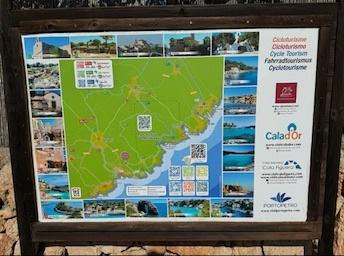
Cala Figuera
More Fotos
Related Questions
Related Question
Are there any hidden spots or less crowded areas that are great to explore in the summer?
Related Question
How can I tell if a hotel's website is presenting an accurate picture of its facilities?
Related Question
How has the local culture influenced the area between Alaró and Lloseta?