What is the history behind the design of rooftop terraces in Palma?
Similar Topics
palma terraces
rooftop history
mediterranean architecture
terracotta tiles
urban greenery
pa amb oli
hierbas drink
historial design
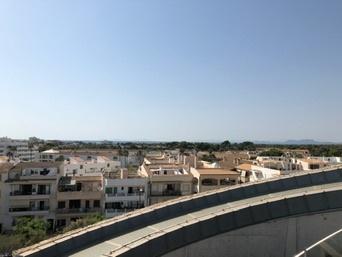
Rooftop terraces in Palma have their origins in practical uses common to Mediterranean architecture, where flat roofs were initially platforms for drying clothes, storing water, or cultivating herbs. Over time, especially in the historic neighborhoods of Palma’s old town, these utilitarian spaces evolved into comfortable retreats that offer residents open-air areas to escape the bustling narrow streets below. The design reflects influences from different periods, including Moorish and Catalan styles, visible in features like terracotta tiles and simple whitewashed walls that help keep the rooftop cool during the hot summer months.
These terraces have become essential social hubs where locals sip Hierbas or Palo, enjoy pa amb oli, and share conversation while looking out across the city’s skyline or to the distant sea. The presence of climbing vines and potted plants carries forward the tradition of integrating greenery into urban living, enlivening the space and providing shade and privacy. In some houses, the layout is carefully arranged to foster social connection, echoing the communal spirit so characteristic of the island’s culture.
Walking through the Born district or near La Lonja, you’ll see how modern terraces balance historical elements with contemporary comforts—from wrought iron furniture to subtle lighting—creating atmospheres that invite relaxation and conviviality. These rooftop spaces commemorate Palma’s architectural and cultural journey, transitioning from purely functional surfaces to cherished places that both locals and visitors appreciate for their views, ambience, and connection to Mallorca’s way of life.
These terraces have become essential social hubs where locals sip Hierbas or Palo, enjoy pa amb oli, and share conversation while looking out across the city’s skyline or to the distant sea. The presence of climbing vines and potted plants carries forward the tradition of integrating greenery into urban living, enlivening the space and providing shade and privacy. In some houses, the layout is carefully arranged to foster social connection, echoing the communal spirit so characteristic of the island’s culture.
Walking through the Born district or near La Lonja, you’ll see how modern terraces balance historical elements with contemporary comforts—from wrought iron furniture to subtle lighting—creating atmospheres that invite relaxation and conviviality. These rooftop spaces commemorate Palma’s architectural and cultural journey, transitioning from purely functional surfaces to cherished places that both locals and visitors appreciate for their views, ambience, and connection to Mallorca’s way of life.
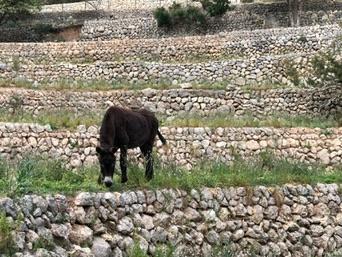
Esporles
More Fotos