What traditional dishes can I expect at a restaurant in Palma or elsewhere on the island?
Similar Topics
pa amb oli
sobrassada
tumbet
ensaimada
arroz brut
binissalem wine
herbes liqueur
palo wine
The clinking of glasses and the aroma of herbs fill the air as you settle into a local restaurant in Palma or a village like Pollenca. Many eateries take pride in dishes that echo the island’s agrarian past and coastal bounty. One beloved classic is pa amb oli, simple yet deeply satisfying with rustic bread rubbed with ripe tomatoes, drizzled with local olive oil, and topped with tomato, cheese, or sobrassada, a soft cured sausage that’s a staple here. Alongside, you might find tumbet, a colorful vegetable stew layered with eggplant, peppers, and potatoes, celebrating summer’s harvest.
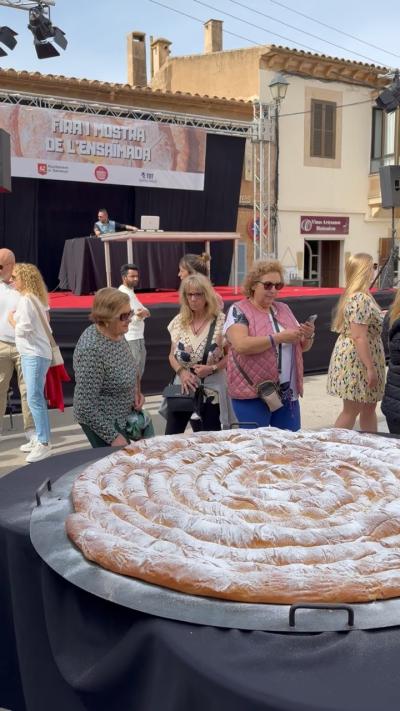
At tables near the coast or in fishing ports like Port de Solller, seafood features prominently. The arroz brut—a spiced rice dish concocted with stock, saffron, and tender pieces of local meat or seafood—is a hearty, comforting plate. A freshly caught fish lightly grilled or incorporated into a melty tumbet also honors the marine flavors of the island. Don’t miss local sweets such as ensaimada, a delicately coiled pastry best enjoyed with strong coffee or a splash of herbes, that fragrant herbal liqueur distilled from plants native to the Serra de Tramuntana region.
Meal times here often feel like a communal celebration, and wineries around Binissalem produce excellent reds to accompany your food, while Palo, a bittersweet fortified wine, might close the evening. Both traditional recipes and seasonal ingredients reflect Mallorca’s rich culinary heritage, and dining out becomes as much about tasting the island’s spirit as the dishes themselves.
At tables near the coast or in fishing ports like Port de Solller, seafood features prominently. The arroz brut—a spiced rice dish concocted with stock, saffron, and tender pieces of local meat or seafood—is a hearty, comforting plate. A freshly caught fish lightly grilled or incorporated into a melty tumbet also honors the marine flavors of the island. Don’t miss local sweets such as ensaimada, a delicately coiled pastry best enjoyed with strong coffee or a splash of herbes, that fragrant herbal liqueur distilled from plants native to the Serra de Tramuntana region.
Meal times here often feel like a communal celebration, and wineries around Binissalem produce excellent reds to accompany your food, while Palo, a bittersweet fortified wine, might close the evening. Both traditional recipes and seasonal ingredients reflect Mallorca’s rich culinary heritage, and dining out becomes as much about tasting the island’s spirit as the dishes themselves.
More Fotos