What wildlife might I encounter near Mallorca's famous caves like the Cuevas del Drach?
Similar Topics
cuevas del drach
mallorca wildlife
balearic bats
tramuntana fauna
cave ecosystems
balearic birds
wildlife observation
mallorca nature
Visiting the Cuevas del Drach or other caves like the Cuevas de Artà is as much about the subterranean wonders as it is about the life that thrives in and around these cool, sheltered environments. Inside, you’ll often spot bats hanging quietly from the ceilings—species that play an important role in controlling the local insect populations. As dusk falls, their activity increases, creating a lively spectacle for observers. Some caves even host rare cave-adapted creatures such as certain blind crustaceans and fish, whose unique adaptations tell stories of evolution in isolation.
Just outside, the limestone cliffs and nearby woodlands offer habitats for various resident and migratory birds. Raptors like owls and the endemic Balearic warbler can be seen perched or hunting at dawn and dusk. Depending on where you explore, especially around the Tramuntana range near Valldemossa or Deia, you may catch glimpses of wild goats or the elusive geneta (a genet), a small carnivorous mammal. The coastal brush supports a variety of reptiles and insects, while nearby pine forests and almond groves provide shelter for songbirds and butterflies.
For those venturing to caves along the Ma-10 road or around Manacor, early morning and evening walks offer the best chance to witness the island’s diverse fauna. Carry binoculars and a camera to fully appreciate both the subtle and striking wildlife here. Each of these natural settings tells a chapter of Mallorca’s rich ecological narrative, making cave exploration a rewarding experience beyond just dramatic rock formations.
Just outside, the limestone cliffs and nearby woodlands offer habitats for various resident and migratory birds. Raptors like owls and the endemic Balearic warbler can be seen perched or hunting at dawn and dusk. Depending on where you explore, especially around the Tramuntana range near Valldemossa or Deia, you may catch glimpses of wild goats or the elusive geneta (a genet), a small carnivorous mammal. The coastal brush supports a variety of reptiles and insects, while nearby pine forests and almond groves provide shelter for songbirds and butterflies.
For those venturing to caves along the Ma-10 road or around Manacor, early morning and evening walks offer the best chance to witness the island’s diverse fauna. Carry binoculars and a camera to fully appreciate both the subtle and striking wildlife here. Each of these natural settings tells a chapter of Mallorca’s rich ecological narrative, making cave exploration a rewarding experience beyond just dramatic rock formations.
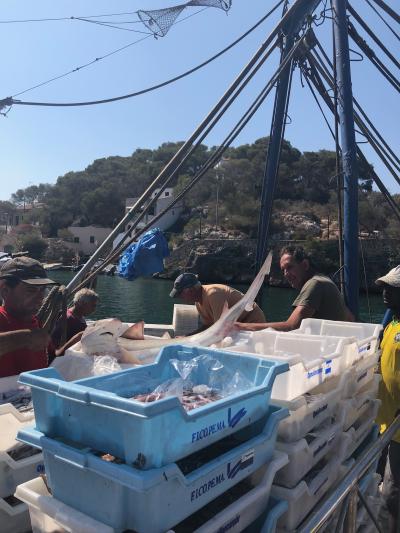
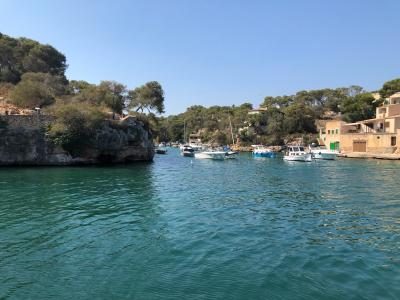
Cala Figuera
More Fotos