Can you tell me about the architecture styles found in Palma?
Similar Topics
Palma architecture
Gothic architecture
La Seu Cathedral
Moorish influences
Arab Quarter
Renaissance buildings
Baroque architecture
Modernisme
Palau de l'Almudaina
Es Baluard Museum
Palma, the capital of Mallorca, boasts a rich tapestry of architectural styles that reflect its long and varied history. One of the most striking features is the Gothic architecture, epitomized by the majestic La Seu Cathedral. This stunning structure, with its intricate flying buttresses and soaring spires, dominates the skyline and showcases the craftsmanship of the 13th to 17th centuries. The cathedral's interior is equally impressive, with beautiful stained glass windows that create a mesmerizing play of light within the vast nave.
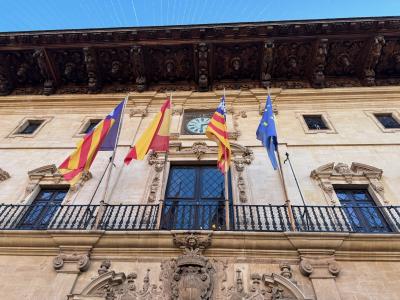
As you wander through Palma’s streets, you’ll also encounter a blend of Moorish influences, particularly in the older neighborhoods like the historic Arab Quarter, known as "La Almudaina." Here, you’ll find narrow, winding streets and charming courtyards adorned with intricate tilework and arches, reminiscent of the city’s Islamic past. The fusion of these styles is further complemented by the Renaissance and Baroque buildings, which emerged during the Spanish Empire. Notable examples include the opulent Palau de l'Almudaina and the Es Baluard Museum, which seamlessly integrates contemporary architecture with historical elements, creating a dialogue between past and present.
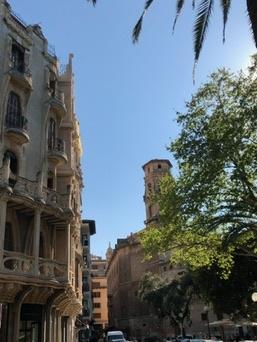
In addition to these predominant styles, Palma also showcases a unique interpretation of Modernisme, the Catalan variant of Art Nouveau. Buildings like the Gran Hotel and the Casa Ramos feature whimsical designs and decorative elements that exemplify this artistic movement. As you explore the city, you will notice how these diverse architectural influences come together to create a vibrant urban landscape, making Palma not only a feast for the eyes but also a captivating journey through time. Each corner you turn reveals a different facet of its architectural heritage, offering visitors a deeper appreciation of the city’s cultural mosaic.
As you wander through Palma’s streets, you’ll also encounter a blend of Moorish influences, particularly in the older neighborhoods like the historic Arab Quarter, known as "La Almudaina." Here, you’ll find narrow, winding streets and charming courtyards adorned with intricate tilework and arches, reminiscent of the city’s Islamic past. The fusion of these styles is further complemented by the Renaissance and Baroque buildings, which emerged during the Spanish Empire. Notable examples include the opulent Palau de l'Almudaina and the Es Baluard Museum, which seamlessly integrates contemporary architecture with historical elements, creating a dialogue between past and present.
In addition to these predominant styles, Palma also showcases a unique interpretation of Modernisme, the Catalan variant of Art Nouveau. Buildings like the Gran Hotel and the Casa Ramos feature whimsical designs and decorative elements that exemplify this artistic movement. As you explore the city, you will notice how these diverse architectural influences come together to create a vibrant urban landscape, making Palma not only a feast for the eyes but also a captivating journey through time. Each corner you turn reveals a different facet of its architectural heritage, offering visitors a deeper appreciation of the city’s cultural mosaic.
Palma
More Fotos