What kinds of goods were historically transported by sailing ships around Mallorca?
Similar Topics
mallorca sailing ships
mediterranean trade
tramuntana timber
mallorca agriculture
alcudia exports
pollenca crafts
historical shipping routes
balearic maritime
Before steam and diesel took over, the fleets that sailed around the island were vital for moving a range of goods critical to local life and trade across the Mediterranean. Farmers and artisans in towns like Manacor and Alcudia depended on these vessels to export agricultural products such as almonds, olives, and citrus fruits, staples of the island’s economy for centuries. Timber from the Tramuntana forests was another key cargo, used for everything from traditional boatbuilding in Port de Sóller to construction throughout the Balearics.
Aside from raw materials, seasonal fruits and vegetables often made their way to markets beyond the island’s shores, with sailing ships linking villages like Pollenca and Valldemossa to mainland Spain and other ports. Textiles and leather goods, particularly those crafted in Palma’s historic workshops, found buyers eager for the island’s unique crafts. Spices and preserved foods enhanced the local diet and were sometimes transported onboard to meet the demands of different trading hubs.
The maritime routes passing by Cala Mondrago, Formentor, and other coastal points not only ferried goods but shared cultural exchanges that influenced local cuisine, traditions, and markets. As you visit ports and museums today, you can still glimpse how these ships underpinned Mallorca's economy, creating connections that were much more than commerce—they wove a cultural fabric that shaped the island’s identity to this day.
Aside from raw materials, seasonal fruits and vegetables often made their way to markets beyond the island’s shores, with sailing ships linking villages like Pollenca and Valldemossa to mainland Spain and other ports. Textiles and leather goods, particularly those crafted in Palma’s historic workshops, found buyers eager for the island’s unique crafts. Spices and preserved foods enhanced the local diet and were sometimes transported onboard to meet the demands of different trading hubs.
The maritime routes passing by Cala Mondrago, Formentor, and other coastal points not only ferried goods but shared cultural exchanges that influenced local cuisine, traditions, and markets. As you visit ports and museums today, you can still glimpse how these ships underpinned Mallorca's economy, creating connections that were much more than commerce—they wove a cultural fabric that shaped the island’s identity to this day.
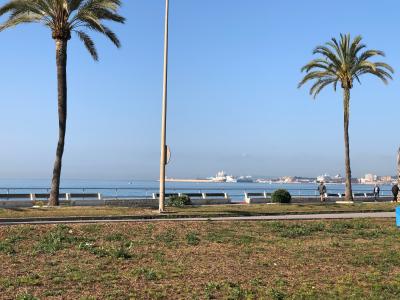
Palma
More Fotos