What historical significance do the Talaiots hold that I should know about?
Similar Topics
Talaiots
Menorca
prehistoric structures
Talayotic culture
Bronze Age
archaeological evidence
ancient monuments
historical significance
watchtowers
ceremonial sites
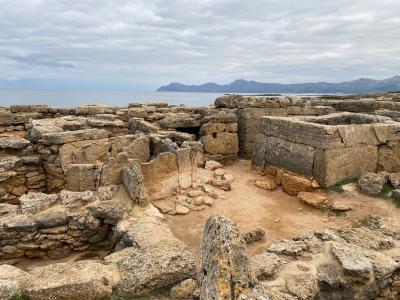
The Talaiots are fascinating prehistoric structures found primarily on the island of Menorca, one of the Balearic Islands in Spain. Dating back to the Bronze Age, around 1000 BC, these stone constructions are part of the broader Talayotic culture that thrived in the western Mediterranean. The Talaiots themselves are typically large, circular or rectangular stone towers that served various purposes, including as watchtowers, ceremonial sites, or communal gathering places. Their construction showcases the impressive engineering skills of the ancient inhabitants, who utilized local limestone to create these enduring monuments.
Visiting the Talaiots offers a glimpse into the social structure and daily life of the prehistoric communities that inhabited Menorca. Archaeological evidence suggests that these structures were central to the Talayotic society, reflecting their agricultural practices and religious beliefs. The layout of the Talaiots, often positioned strategically on elevated ground, indicates their importance in surveillance and defense against potential invasions. As you explore these ancient sites, you'll also notice the proximity of other significant structures such as Navetas and Taulas, which further enrich the historical context of the Talaiotic culture.
Understanding the significance of the Talaiots not only enhances your appreciation of Menorca’s rich history but also connects you to the island's enduring legacy. These monuments have survived the test of time, standing as a testament to the ingenuity and resilience of the ancient people who once called this beautiful island home. Whether you're a history enthusiast or simply curious about the past, the Talaiots provide a captivating journey into the island's prehistoric roots that is well worth your time.
Visiting the Talaiots offers a glimpse into the social structure and daily life of the prehistoric communities that inhabited Menorca. Archaeological evidence suggests that these structures were central to the Talayotic society, reflecting their agricultural practices and religious beliefs. The layout of the Talaiots, often positioned strategically on elevated ground, indicates their importance in surveillance and defense against potential invasions. As you explore these ancient sites, you'll also notice the proximity of other significant structures such as Navetas and Taulas, which further enrich the historical context of the Talaiotic culture.
Understanding the significance of the Talaiots not only enhances your appreciation of Menorca’s rich history but also connects you to the island's enduring legacy. These monuments have survived the test of time, standing as a testament to the ingenuity and resilience of the ancient people who once called this beautiful island home. Whether you're a history enthusiast or simply curious about the past, the Talaiots provide a captivating journey into the island's prehistoric roots that is well worth your time.

ses Covetes
More Fotos






Related Questions
Related Question
What time of year is best to visit Portals Nous for pleasant weather?
Related Question
How has the political landscape in Mallorca evolved since the end of the Franco dictatorship?
Related Question
Can I purchase my bus ticket in advance, or do I need to buy it on the day of travel?