What traditional Mallorcan dishes should I try when eating out on the island?
Local cuisine has seen a refreshing resurgence on the island, with many restaurants embracing traditional recipes alongside fresh, high-quality ingredients. Pa amb oli is a quintessential dish you should not miss: simple, yet deeply satisfying, it features rustic bread rubbed with ripe tomatoes and drizzled with local olive oil, often accompanied by sobrassada, a soft, spiced cured sausage unique to the Balearics. In places like Palma or Soller, terraces often serve this as a starter, especially with locally produced Binissalem wine or the herbal liqueur Hierbas.
Seafood plays a pivotal role in coastal towns such as Port de Pollenca and Alcudia. Fresh fish grilled over open flames or dishes like caldereta—a traditional fish stew—capture the Mediterranean's essence beautifully. Inland, dishes like tumbet, a vegetable medley baked with layers of aubergine, potatoes, and peppers in a rich tomato sauce, celebrate the island’s agricultural heritage and are widely appreciated.
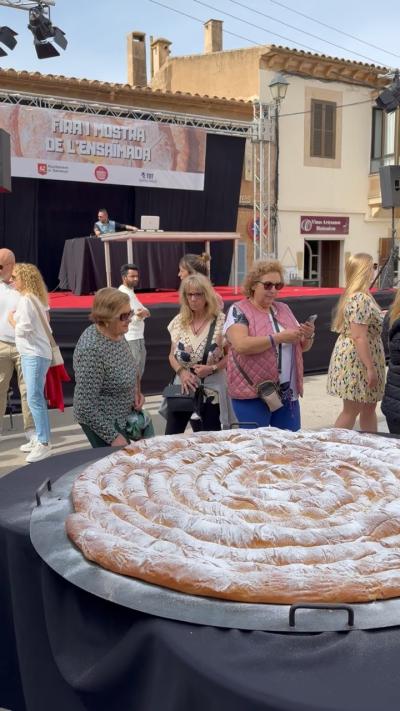
Pastries shouldn't be overlooked, especially the ensaimada, a delicate, spiral-shaped sweet often enjoyed with a coffee at a local café. For a digestif, Palo, made by infusing local herbs in wine, offers a bittersweet finish to any meal. Whether dining at a bustling market or a quiet village tavern in Valldemossa or Deia, tasting these dishes provides a genuine connection to the island’s flavors and traditions.
Seafood plays a pivotal role in coastal towns such as Port de Pollenca and Alcudia. Fresh fish grilled over open flames or dishes like caldereta—a traditional fish stew—capture the Mediterranean's essence beautifully. Inland, dishes like tumbet, a vegetable medley baked with layers of aubergine, potatoes, and peppers in a rich tomato sauce, celebrate the island’s agricultural heritage and are widely appreciated.
Pastries shouldn't be overlooked, especially the ensaimada, a delicate, spiral-shaped sweet often enjoyed with a coffee at a local café. For a digestif, Palo, made by infusing local herbs in wine, offers a bittersweet finish to any meal. Whether dining at a bustling market or a quiet village tavern in Valldemossa or Deia, tasting these dishes provides a genuine connection to the island’s flavors and traditions.
More Fotos




Related Questions
Related Question
Where can I find restaurants serving both traditional Mallorcan dishes and international cuisine on the island?
Related Question
Do bike rental services in Mallorca provide helmets, or should I bring my own for cycling on the island?
Related Question
What interesting historical sites can I visit near Palma after exploring the city’s museums?