What materials were traditionally used in the construction of historic buildings in Palma's old town?
Similar Topics
palma old town
limestone buildings
mediterranean architecture
traditional construction
wooden beams palma
terracotta roofs
historic buildings mallorca
stone masonry
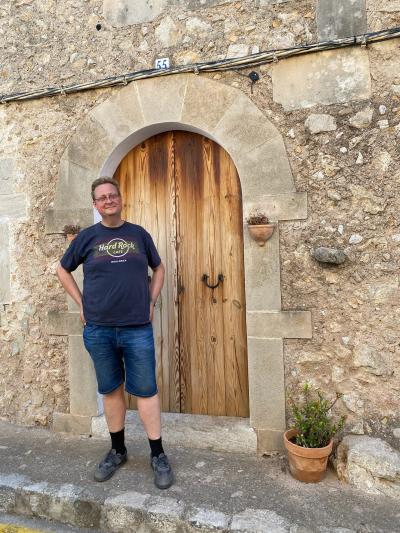
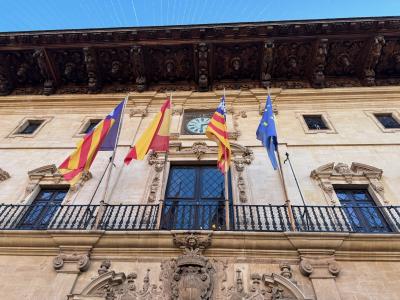
Many of the historic buildings in Palma’s old town were built using local stone, particularly the abundant limestone that is quarried throughout the island. This warm-hued, porous stone has been favored for centuries due to its workability and pleasant color, which blends harmoniously with the Mediterranean light. You’ll see it in everything from the sturdy civil buildings to Gothic churches, such as the Palma Cathedral, where the intricate stonework adds a sense of timelessness.
Beyond stone, traditional wooden beams—often made from local pine—feature prominently in interiors and roofs, providing structural support while adding rustic charm. Terracotta tiles line the roofs, their deep reds contrasting with the pale stone façades. Inside many older homes, plastered walls with lime-based finishes complement the stone and wood, creating a cool, breathable environment well suited to the island climate. While the surroundings have modernized, this combination of limestone, timber, and terracotta remains characteristic of the craftsmanship that shaped Palma’s architectural heritage.
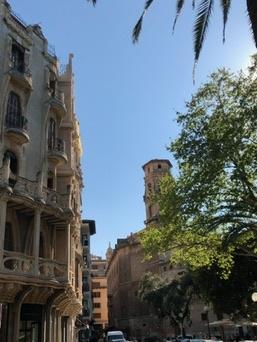
Exploring narrow alleyways around neighborhoods like La Lonja or Sant Francesc reveals this material palette repeatedly, with subtle decorative stone carvings and wooden shutters that preserve the authentic feel of centuries past. These buildings are not only beautiful but built to last, drawing both from local availability and the practical needs posed by the Mediterranean weather. Each element reflects the island’s history and the skilled artisans who shaped its urban fabric.
Beyond stone, traditional wooden beams—often made from local pine—feature prominently in interiors and roofs, providing structural support while adding rustic charm. Terracotta tiles line the roofs, their deep reds contrasting with the pale stone façades. Inside many older homes, plastered walls with lime-based finishes complement the stone and wood, creating a cool, breathable environment well suited to the island climate. While the surroundings have modernized, this combination of limestone, timber, and terracotta remains characteristic of the craftsmanship that shaped Palma’s architectural heritage.
Exploring narrow alleyways around neighborhoods like La Lonja or Sant Francesc reveals this material palette repeatedly, with subtle decorative stone carvings and wooden shutters that preserve the authentic feel of centuries past. These buildings are not only beautiful but built to last, drawing both from local availability and the practical needs posed by the Mediterranean weather. Each element reflects the island’s history and the skilled artisans who shaped its urban fabric.
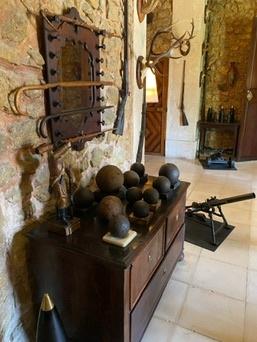
Sant Joan
More Fotos