How did the various cultures that ruled Mallorca influence its architecture and cuisine?
Similar Topics
Mallorca architecture
Mallorca cuisine
Roman influence Mallorca
Moorish architecture
Palma Cathedral
Gothic styles Mallorca
Mallorca history
traditional dishes Mallorca
cultural identity Mallorca
Mallorca travel
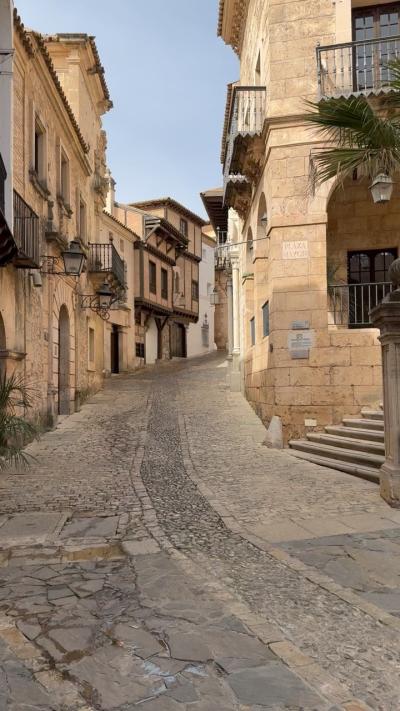
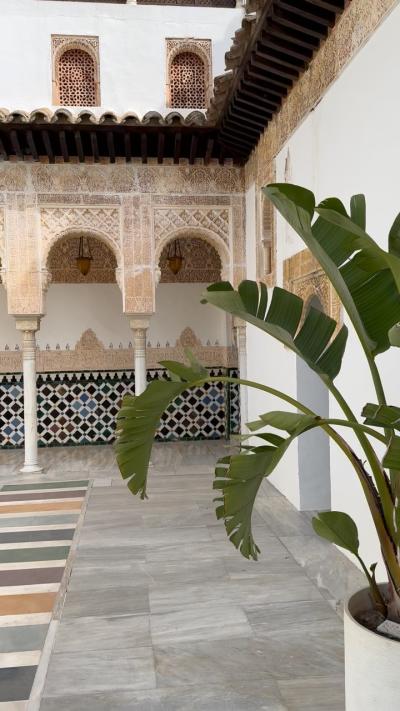
Mallorca's rich tapestry of history is reflected in its diverse architecture and cuisine, shaped by the various cultures that have ruled the island over the centuries. Starting with the Romans, who established the first significant settlements, you can see their influence in the remnants of ancient structures like the ruins of the Roman city of Pollentia. The architecture evolved with the arrival of the Moors in the 8th century, who introduced intricate designs, horseshoe arches, and elaborate tile work that can still be admired in the stunning Alcázar of Palma. Their agricultural practices also transformed the landscape, leading to the introduction of irrigation techniques that allowed for the cultivation of new crops.
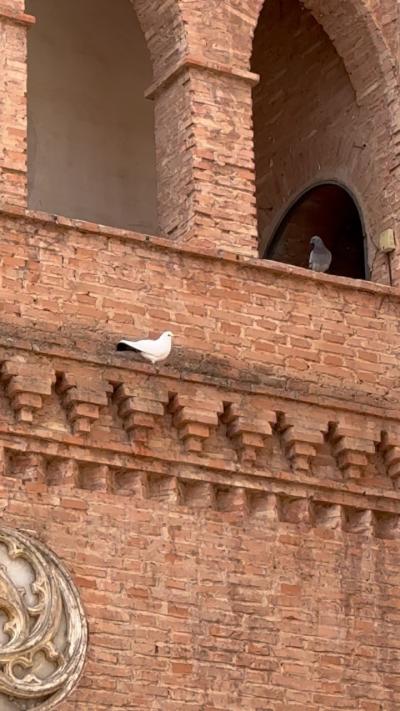
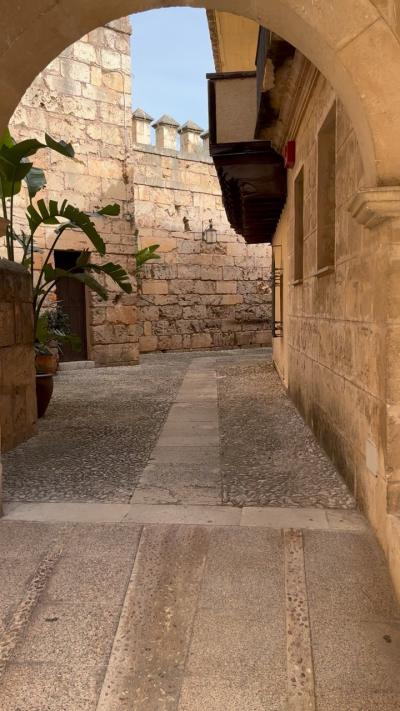
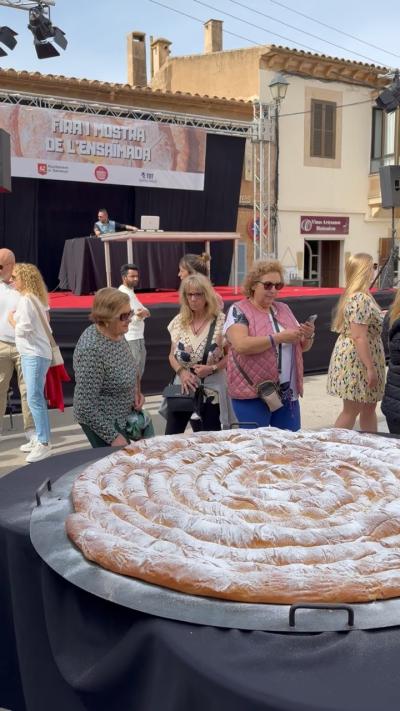
As the island transitioned through different rulers, including the Catalans in the 13th century, the blend of Gothic styles became prominent. The iconic Palma Cathedral, with its soaring arches and stunning stained glass, exemplifies the interplay of various influences. The fortified castles and watchtowers peppered throughout the island speak to the medieval period, showcasing a blend of functionality and artistry. In terms of cuisine, the Moorish influence is particularly notable, with the introduction of spices, almonds, and the use of dried fruits, which have become staples in traditional dishes like "ensaimada" and "sobrasada." The Catalan presence further enriched the culinary scene, bringing in influences that emphasize fresh seafood, local meats, and hearty vegetable dishes, reflecting the island's agricultural bounty.
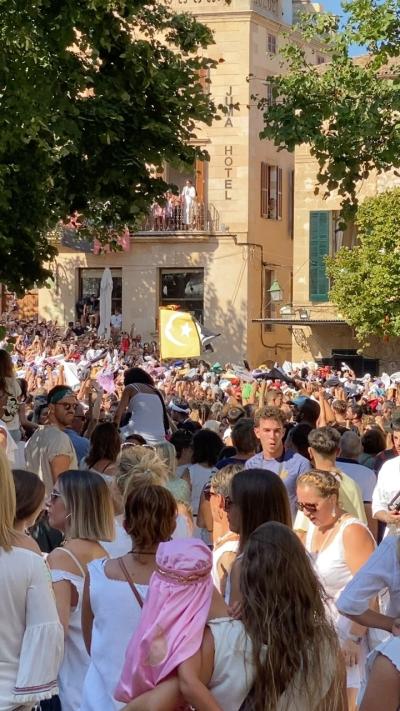
Today, visitors can truly appreciate how these historical influences have created a unique cultural identity for Mallorca. Strolling through Palma’s winding streets, you'll encounter an array of restaurants that serve traditional dishes infused with flavors from its rich past, while also marveling at the stunning architecture that tells the story of its diverse heritage. This harmonious blend of cultures not only makes Mallorca a fascinating destination for history buffs and food enthusiasts alike, but it also offers a vibrant experience that celebrates the island's unique character.
As the island transitioned through different rulers, including the Catalans in the 13th century, the blend of Gothic styles became prominent. The iconic Palma Cathedral, with its soaring arches and stunning stained glass, exemplifies the interplay of various influences. The fortified castles and watchtowers peppered throughout the island speak to the medieval period, showcasing a blend of functionality and artistry. In terms of cuisine, the Moorish influence is particularly notable, with the introduction of spices, almonds, and the use of dried fruits, which have become staples in traditional dishes like "ensaimada" and "sobrasada." The Catalan presence further enriched the culinary scene, bringing in influences that emphasize fresh seafood, local meats, and hearty vegetable dishes, reflecting the island's agricultural bounty.
Today, visitors can truly appreciate how these historical influences have created a unique cultural identity for Mallorca. Strolling through Palma’s winding streets, you'll encounter an array of restaurants that serve traditional dishes infused with flavors from its rich past, while also marveling at the stunning architecture that tells the story of its diverse heritage. This harmonious blend of cultures not only makes Mallorca a fascinating destination for history buffs and food enthusiasts alike, but it also offers a vibrant experience that celebrates the island's unique character.
More Fotos