How have the landscapes of Serra Tramuntana changed over the years?
Similar Topics
Serra Tramuntana
Mallorca landscapes
UNESCO World Heritage
agricultural practices
biodiversity conservation
climate change effects
hiking trails Mallorca
traditional dry-stone constructions
natural vegetation
tourism impact
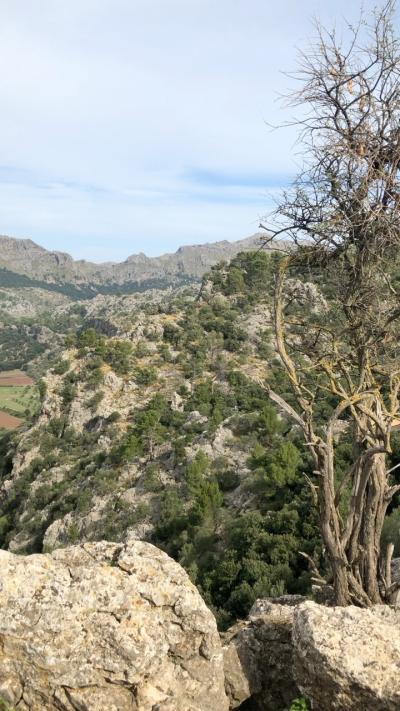
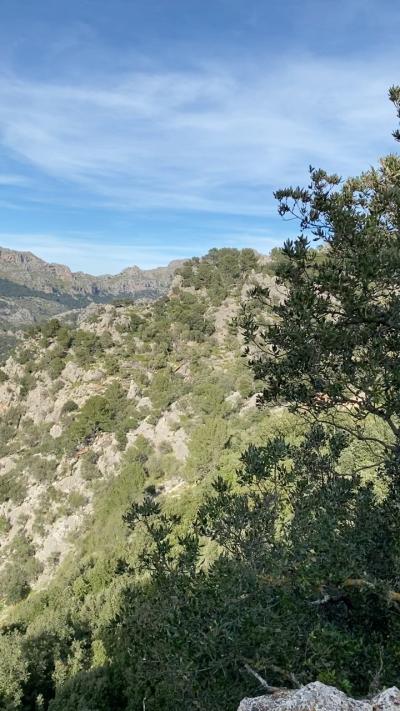
The Serra Tramuntana, a stunning mountain range on the northwest coast of Mallorca, has undergone notable changes over the years, influenced by both natural processes and human activity. Historically, the region was characterized by its rugged limestone peaks, terraced fields, and traditional dry-stone constructions that have stood for centuries. These landscapes were shaped by agricultural practices, as local farmers cultivated the land to grow crops and raise livestock. As time went on, however, many of these traditional practices have declined, resulting in a gradual encroachment of natural vegetation in areas that were once carefully maintained.
In recent years, conservation efforts have sought to preserve the unique ecosystems of the Serra Tramuntana, which is recognized as a UNESCO World Heritage site. These efforts have included reforestation initiatives and the restoration of traditional agricultural terraces, which help maintain the area's biodiversity and prevent soil erosion. Additionally, tourism has played a significant role in shaping the landscape, with increased trails and facilities created for hikers and nature enthusiasts. While this has provided new opportunities for visitors to explore the breathtaking scenery, it has also raised concerns about the potential impact on the delicate environment.
Climate change has also left its mark on the Serra Tramuntana, affecting flora and fauna in the region. Warmer temperatures and changing precipitation patterns have altered the growth cycles of native plants, leading to shifts in the types of vegetation that thrive in the area. As the landscape continues to adapt, the interplay between natural forces and human influence remains a central theme in the ongoing story of Serra Tramuntana. Visitors can still experience the breathtaking beauty of this majestic range while reflecting on the rich history and dynamic changes that have shaped it over time.
In recent years, conservation efforts have sought to preserve the unique ecosystems of the Serra Tramuntana, which is recognized as a UNESCO World Heritage site. These efforts have included reforestation initiatives and the restoration of traditional agricultural terraces, which help maintain the area's biodiversity and prevent soil erosion. Additionally, tourism has played a significant role in shaping the landscape, with increased trails and facilities created for hikers and nature enthusiasts. While this has provided new opportunities for visitors to explore the breathtaking scenery, it has also raised concerns about the potential impact on the delicate environment.
Climate change has also left its mark on the Serra Tramuntana, affecting flora and fauna in the region. Warmer temperatures and changing precipitation patterns have altered the growth cycles of native plants, leading to shifts in the types of vegetation that thrive in the area. As the landscape continues to adapt, the interplay between natural forces and human influence remains a central theme in the ongoing story of Serra Tramuntana. Visitors can still experience the breathtaking beauty of this majestic range while reflecting on the rich history and dynamic changes that have shaped it over time.

Sa Calobra
More Fotos