How do Mallorca’s climate and soil influence the island’s fruit cultivation?
Similar Topics
mallorca fruit
mallorca climate
citrus cultivation
tramuntana agriculture
almond trees mallorca
hierbas drink
festa de l’ametler
local markets mallorca
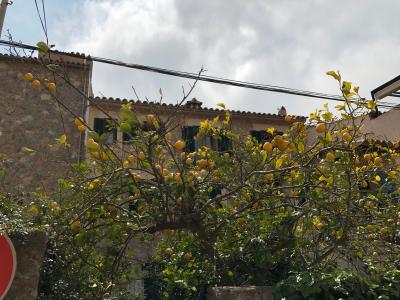
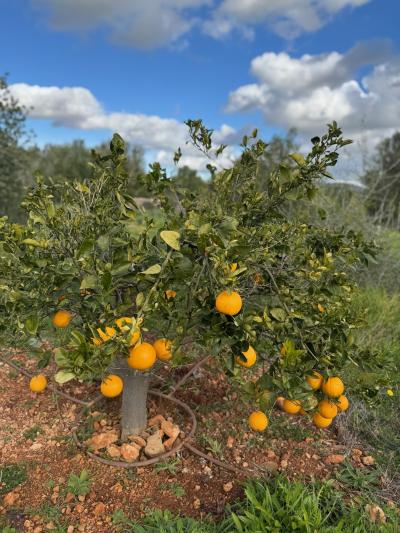
In villages like Sóller, the combination of mild winters and hot, dry summers shapes the kinds of fruit that grow best here. The island’s Mediterranean climate, with its abundance of sunshine and moderate rainfall, creates ideal conditions for citrus groves filled with oranges, lemons, and especially fragrant mandarins. These thrive in the island’s well-drained, often calcareous soils found along the north coast and the Tramuntana foothills.
Away from the coast, in fertile plains near Manacor, farmers cultivate different varieties influenced by slightly heavier soils and gentle irrigation. Here, almonds and carob trees stand alongside fig orchards, adapting to the lower rainfall and rocky terrain. The diverse microclimates across Mallorca’s landscape mean that while the coastal areas favor citrus, the higher elevations and sheltered valleys nurture stone fruits like apricots and medlars, which enjoy the cooler night temperatures.
This rich variety of fruit is an essential part of the island’s culinary traditions. Local markets in Palma and Pollença brim with fresh produce, including citrus fruits used in homemade Hierbas and dishes like tumbet. Seasonal festivals, such as the Festa de l’Ametler, celebrate the blossoming of almonds in the Serra de Tramuntana, underscoring how closely tied Mallorca’s agriculture is to its environment. Visitors can taste this connection in every bite, from tangy citrus to the sweeter, sun-ripened fruit that colors the island’s cuisine.
Away from the coast, in fertile plains near Manacor, farmers cultivate different varieties influenced by slightly heavier soils and gentle irrigation. Here, almonds and carob trees stand alongside fig orchards, adapting to the lower rainfall and rocky terrain. The diverse microclimates across Mallorca’s landscape mean that while the coastal areas favor citrus, the higher elevations and sheltered valleys nurture stone fruits like apricots and medlars, which enjoy the cooler night temperatures.
This rich variety of fruit is an essential part of the island’s culinary traditions. Local markets in Palma and Pollença brim with fresh produce, including citrus fruits used in homemade Hierbas and dishes like tumbet. Seasonal festivals, such as the Festa de l’Ametler, celebrate the blossoming of almonds in the Serra de Tramuntana, underscoring how closely tied Mallorca’s agriculture is to its environment. Visitors can taste this connection in every bite, from tangy citrus to the sweeter, sun-ripened fruit that colors the island’s cuisine.

Esporles
More Fotos