How do traditional farming and fishing practices on the island impact Mallorca's natural environment and wildlife?
Similar Topics
traditional farming
sustainable fishing
mallorca wildlife
tramuntana ecology
binissalem wine
sobrassada
calvia nature
almond blossom festival
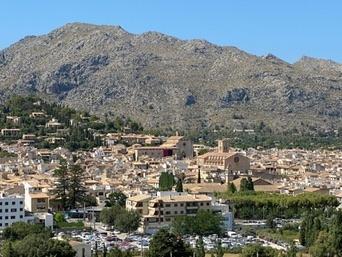
The sharp scent of pine and rosemary on the Tramuntana slopes hints at an ancient connection between the land and those who work it. In towns like Pollenca and Valldemossa, centuries-old farming techniques persist, especially in terraced fields where olives, almonds, and grapes grow alongside wild herbs. These practices help maintain soil fertility and prevent erosion, fostering habitats for native wildlife such as endemic lizards and migratory birds. The mosaic of dry stone walls and cultivated land creates sheltered environments that support biodiversity, which modern monoculture often threatens.
Along the island’s rugged northern coast and tranquil coves like Cala Mondrago, traditional fishing methods reflect a deep respect for the marine ecosystem. Small-scale fishermen, often using seasonal nets and traps, follow rhythms that avoid overfishing, ensuring sustainable fish populations. Knowledge passed down through generations informs when to harvest marine life, protecting spawning periods and preserving underwater habitats around Formentor and the northeast coast.
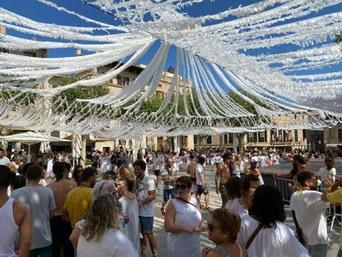
However, increasing tourism and development along the Ma-13 and Ma-19 corridors can disrupt these time-honored practices, risking habitat fragmentation and altered wildlife patterns. Supporting local markets in Palma or Alcudia where products like sobrassada, ensaimadas, and Binissalem wines are sold encourages the continuation of sustainable agriculture. Festivals such as the Festa de l’Ametler celebrate the almond blossom and highlight the synergy between tradition and ecology, reminding visitors and residents alike that the island’s natural beauty is intertwined with its cultural heritage.
Along the island’s rugged northern coast and tranquil coves like Cala Mondrago, traditional fishing methods reflect a deep respect for the marine ecosystem. Small-scale fishermen, often using seasonal nets and traps, follow rhythms that avoid overfishing, ensuring sustainable fish populations. Knowledge passed down through generations informs when to harvest marine life, protecting spawning periods and preserving underwater habitats around Formentor and the northeast coast.
However, increasing tourism and development along the Ma-13 and Ma-19 corridors can disrupt these time-honored practices, risking habitat fragmentation and altered wildlife patterns. Supporting local markets in Palma or Alcudia where products like sobrassada, ensaimadas, and Binissalem wines are sold encourages the continuation of sustainable agriculture. Festivals such as the Festa de l’Ametler celebrate the almond blossom and highlight the synergy between tradition and ecology, reminding visitors and residents alike that the island’s natural beauty is intertwined with its cultural heritage.

Cala Figuera
More Fotos